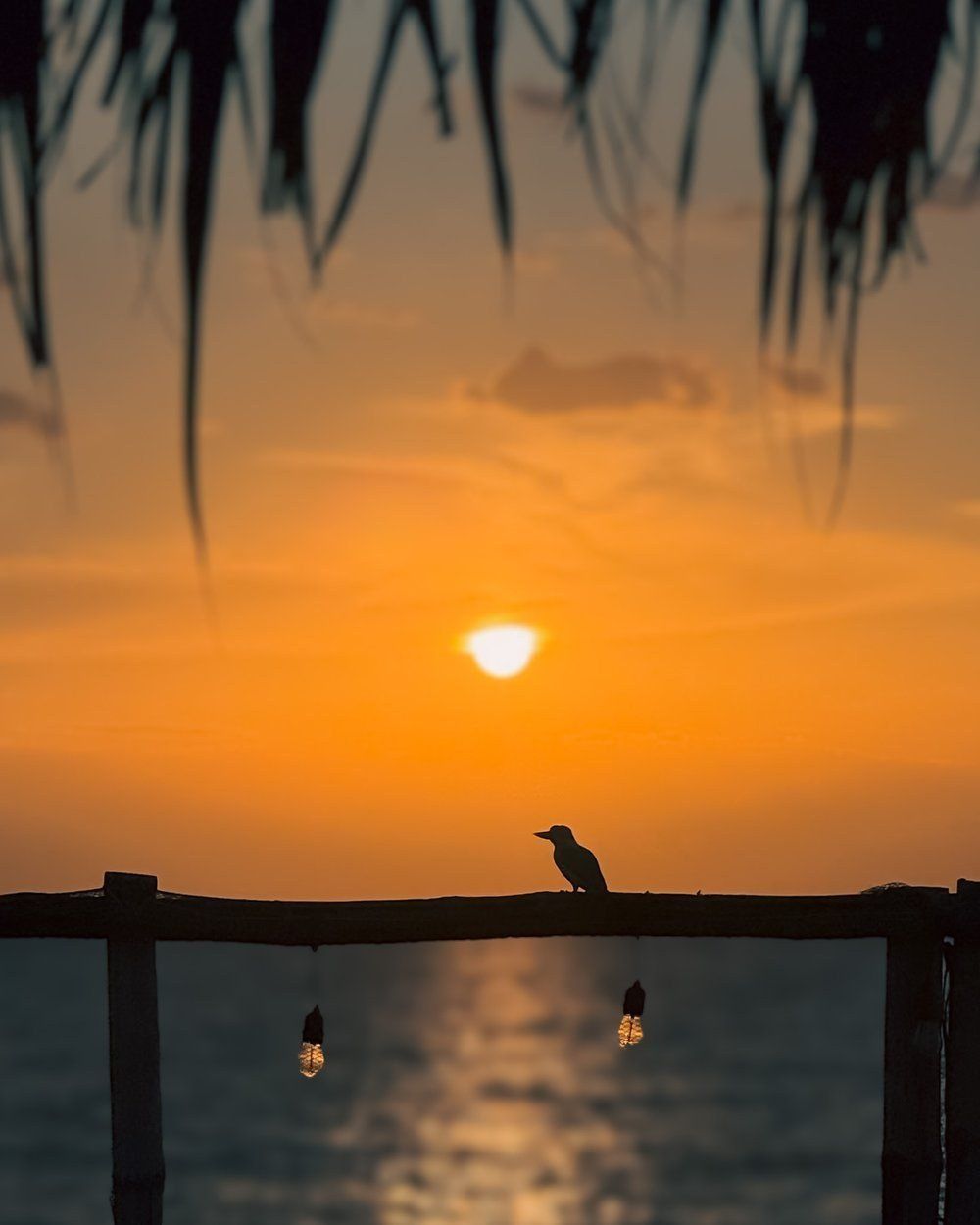
Why we moved to Zambales
- Date
- Format
- Article
- Topics
- Hospitality, Community
- Project
- Get Lost Resort
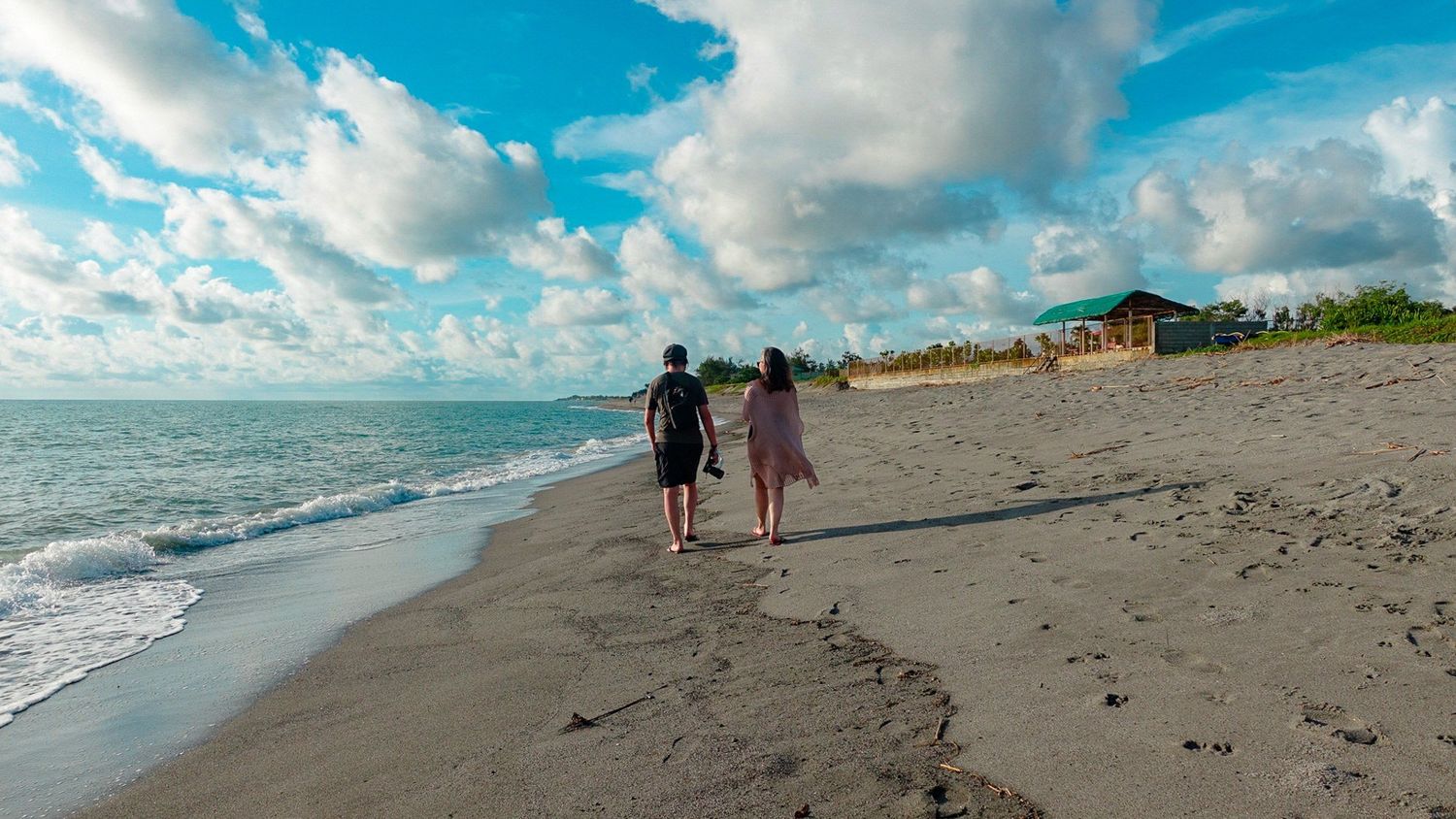
People sometimes assume we moved to Zambales because we wanted to get away from the city. There’s probably some truth to that, but it’s not quite how the story started.
We weren’t looking to disappear into the countryside, give up the things we enjoyed about city life, or spend our days pretending we knew how to live off the land. We’re still very much city people. We like good food, decent coffee, reliable internet, comfortable beds and hot showers with proper water pressure. Some things are worth keeping.
What we wanted was more time outdoors.
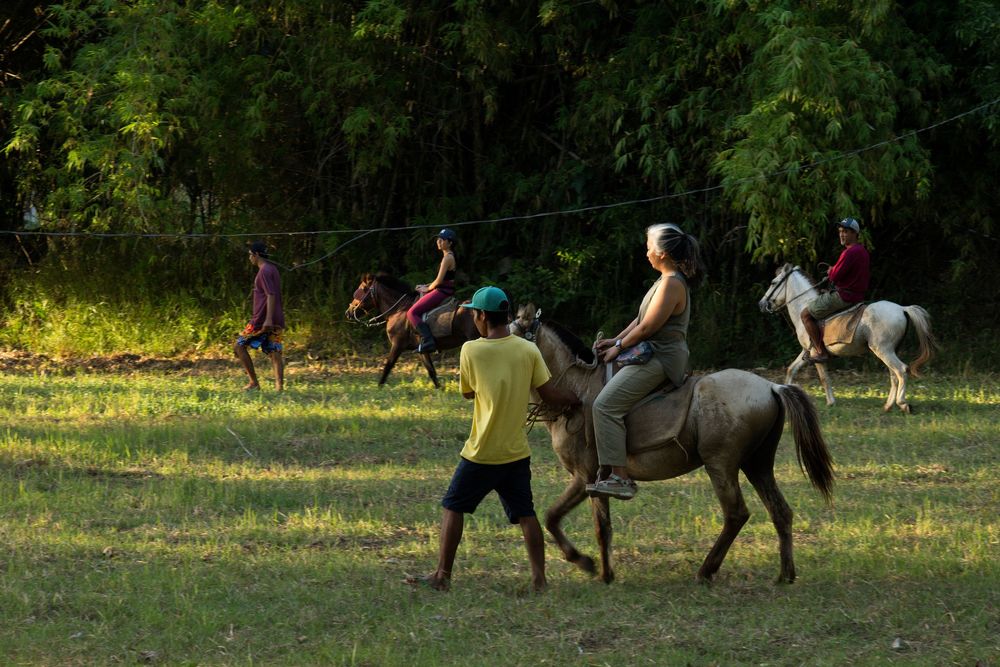
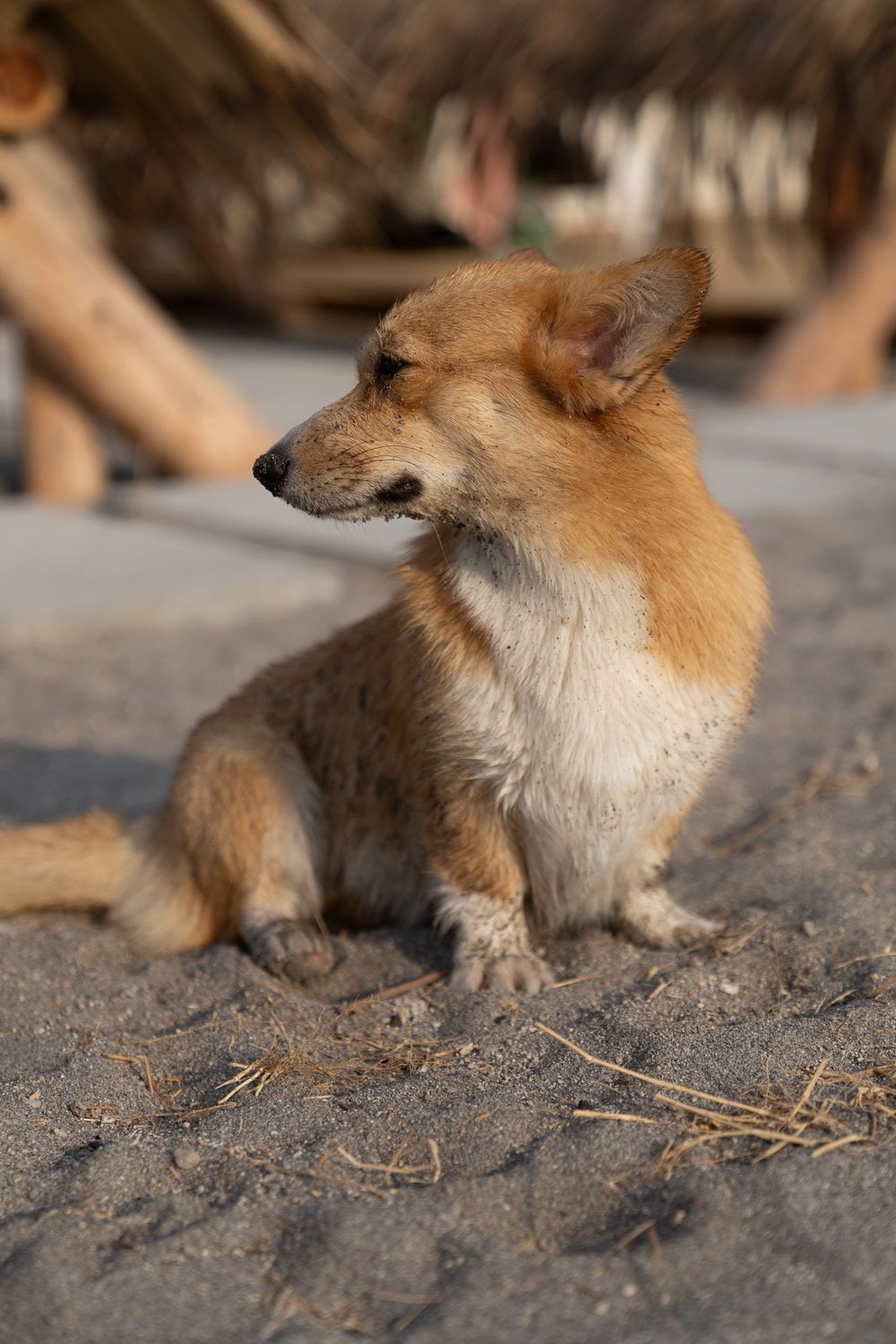
We wanted to be able to spend a weekend by the sea without having to plan an elaborate trip around it. Somewhere we could cook outside, spend an afternoon in the water, watch the weather roll in, and have a bit of space to ourselves. Somewhere the kids could run around, the dogs could come along, and we could slow down a little without having to rough it.
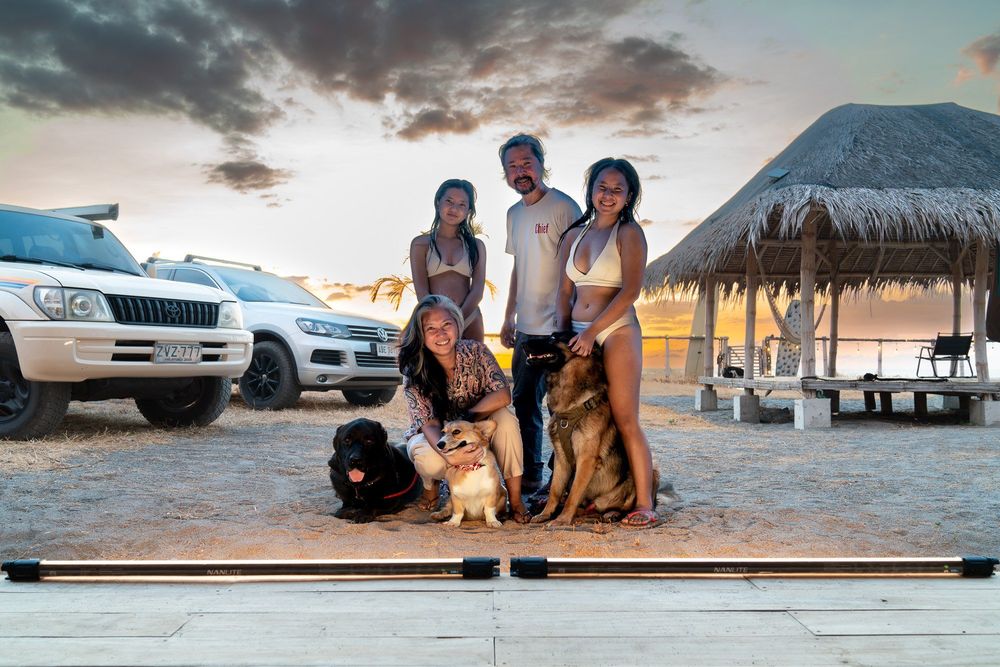
Zambales made sense.
It’s close enough to Manila to make the drive manageable, but far enough away to feel like a proper change of scenery. The coastline, mountains, open spaces and relatively laid-back pace were all part of the appeal. Botolan, in particular, gave us the kind of beachfront setting we had in mind.
And then we started building Get Lost.
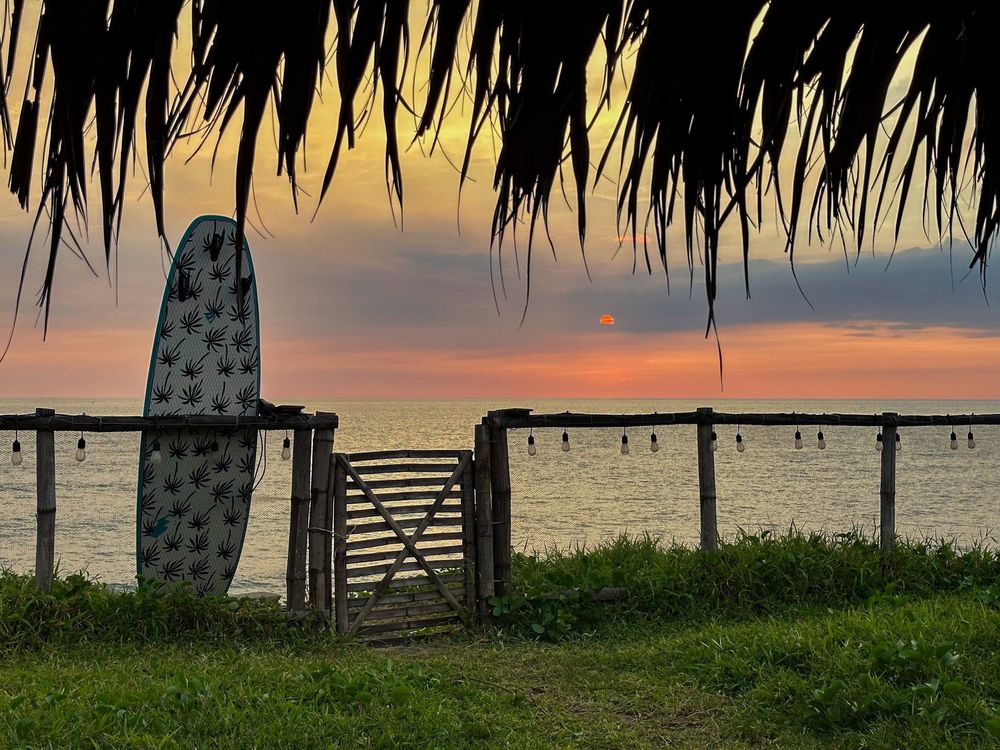
The idea was simple. The execution wasn’t.
We didn’t start out with a grand plan to build a resort. We started with an idea of the kind of place we’d enjoy spending time in ourselves.
That meant tents and huts rather than a conventional hotel, plenty of outdoor space, somewhere to swim, and places to sit around and eat. We wanted privacy without feeling isolated, and the comforts that make staying somewhere enjoyable without turning the whole experience into a hotel stay.
Naturally, the moment you start building something like this, the list of things to do grows.
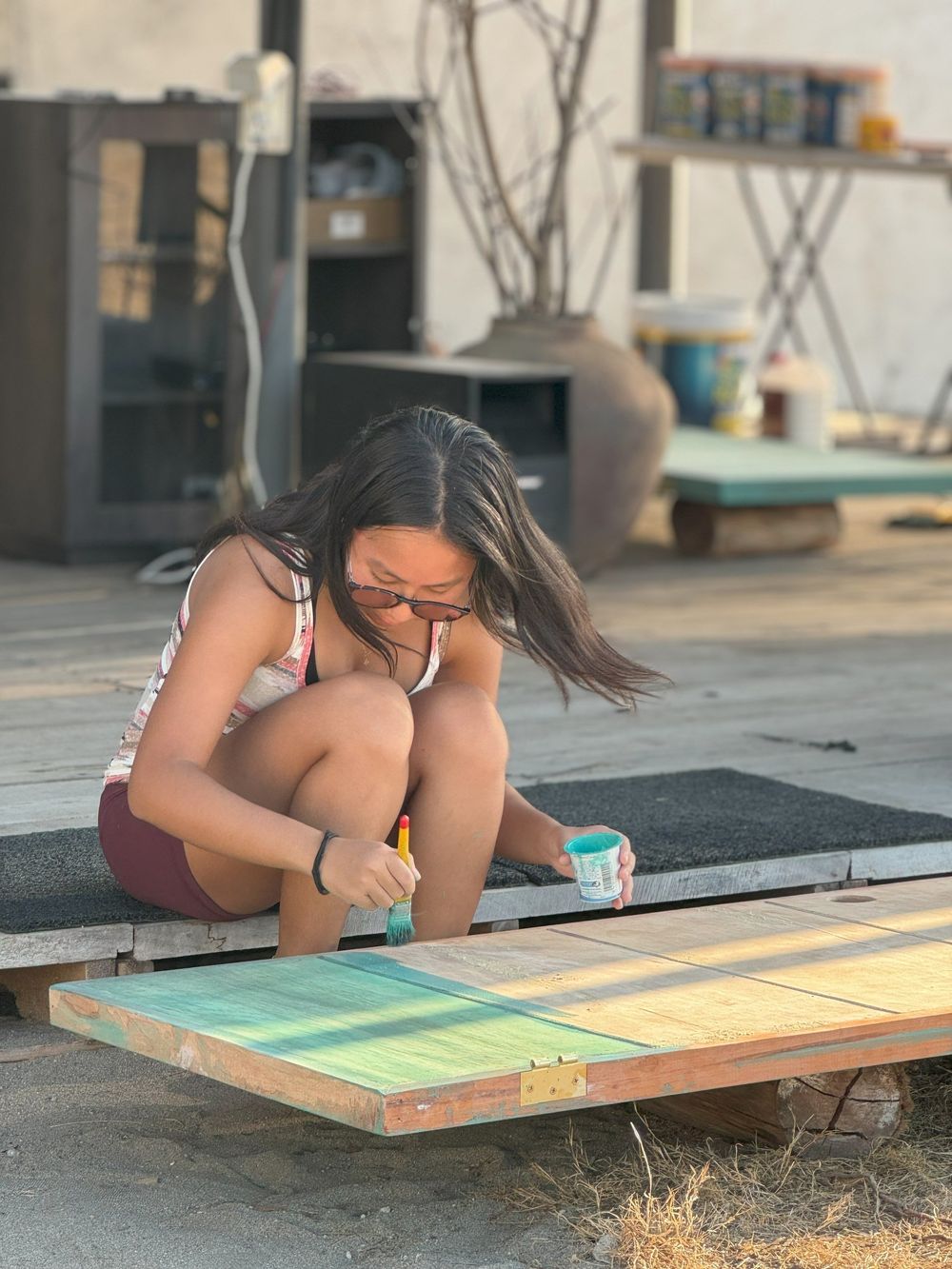
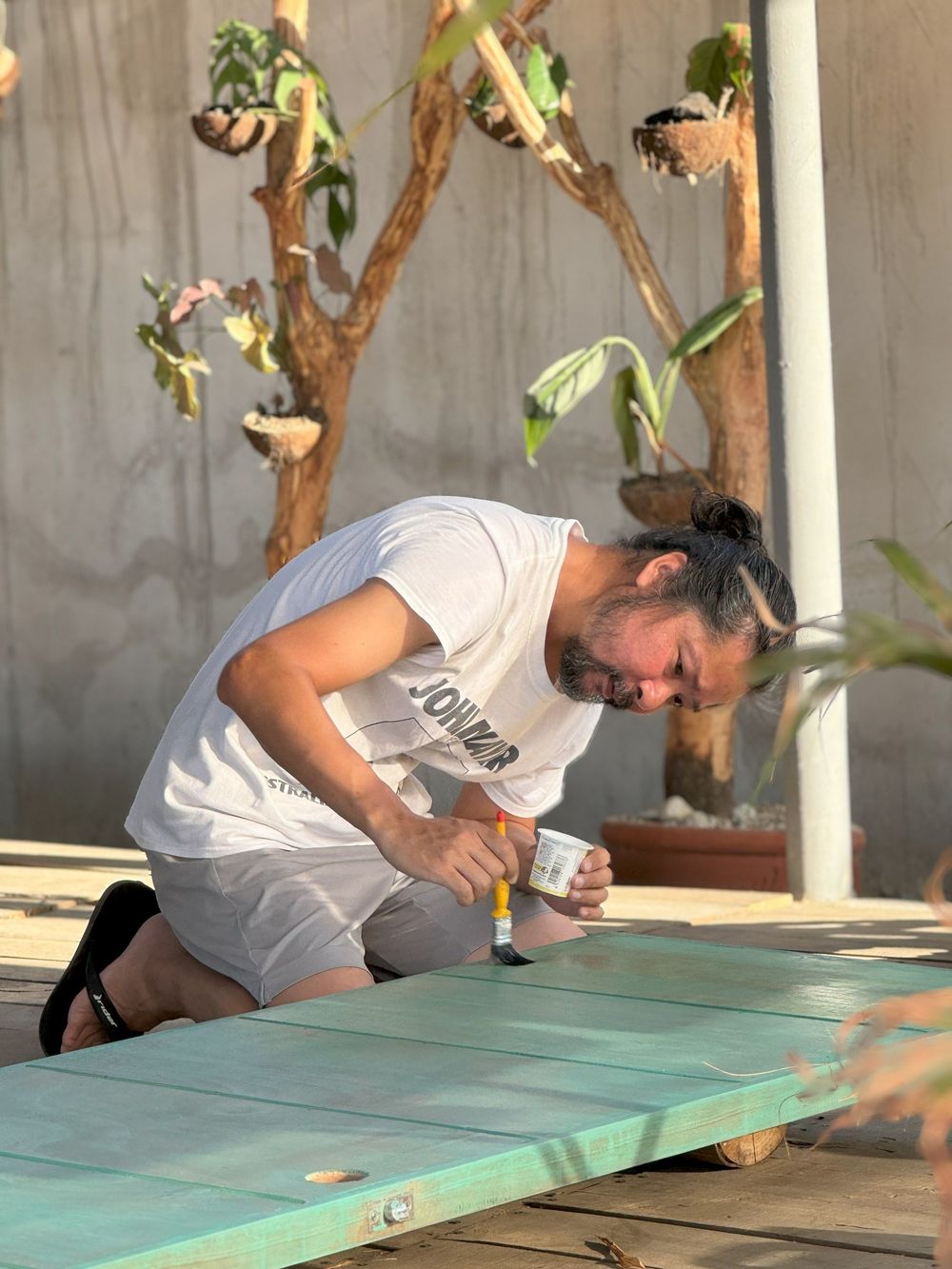
A tent needs a platform. A platform needs a path. A path needs lighting. Then you need water, electricity, drainage, internet, somewhere to store things, and somewhere to put all the things you didn’t realise you needed until you were already building.
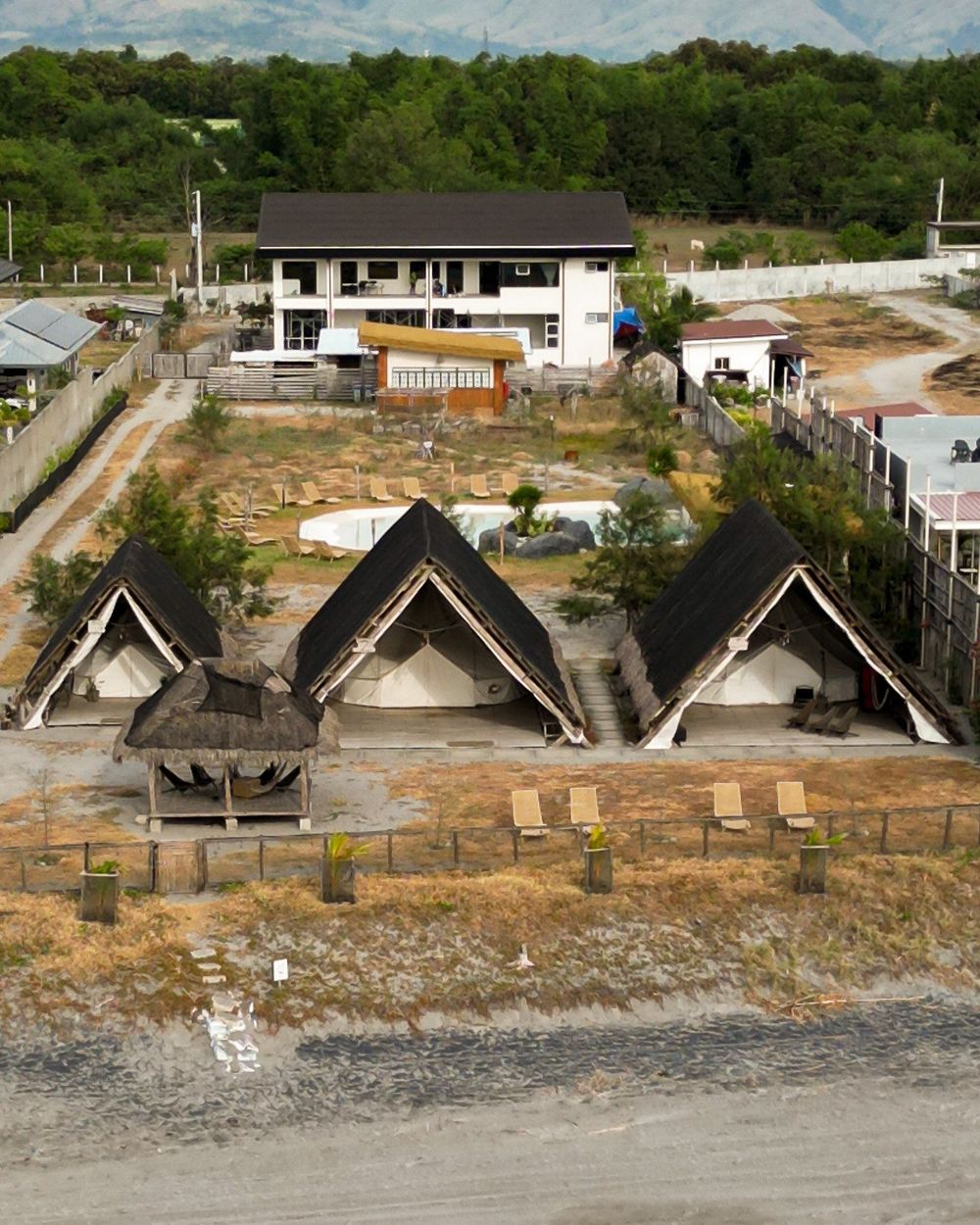
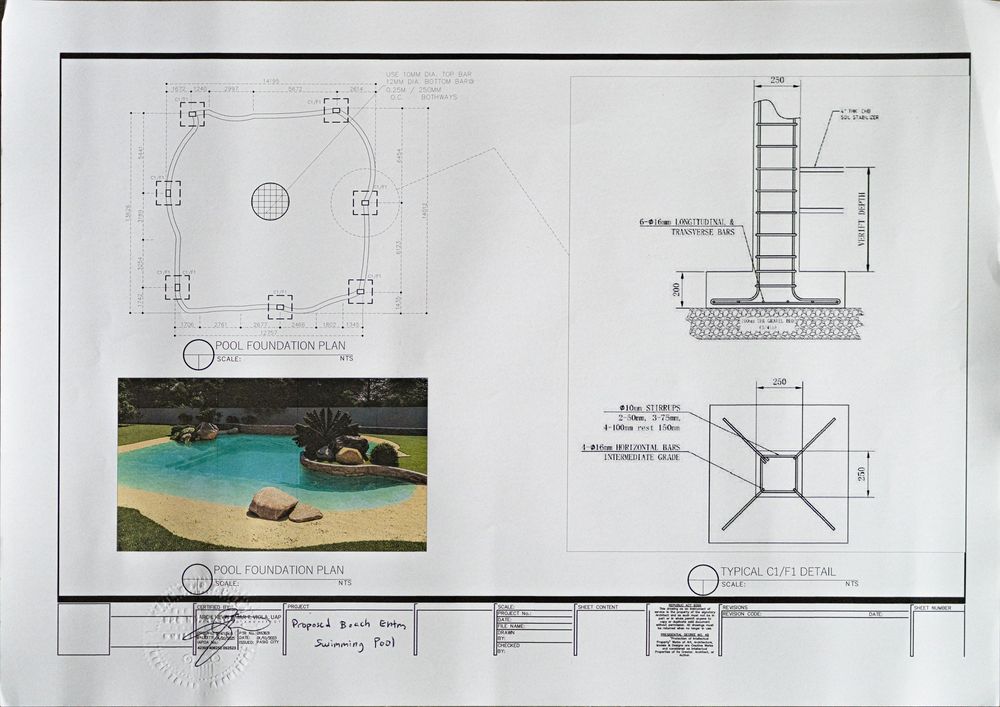
Before long, what started as a place to spend more time outdoors became a fairly involved exercise in construction, operations, landscaping and infrastructure.
There was also the small matter of turning it into an actual business.
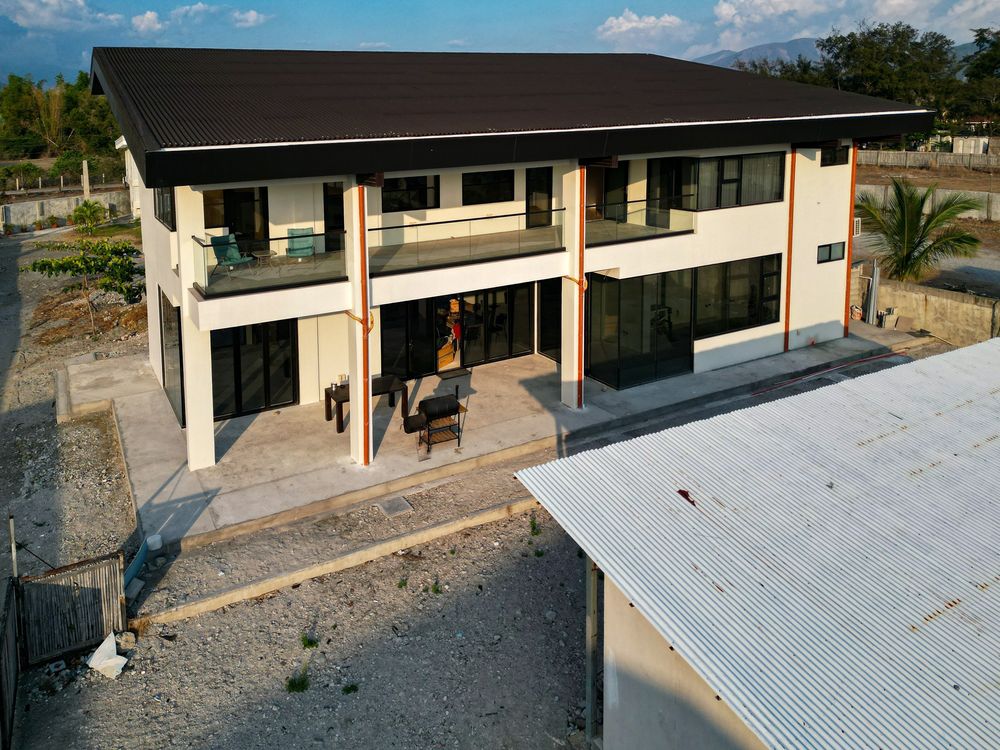
We still like our creature comforts
One thing we never wanted was to make outdoor living synonymous with being uncomfortable.
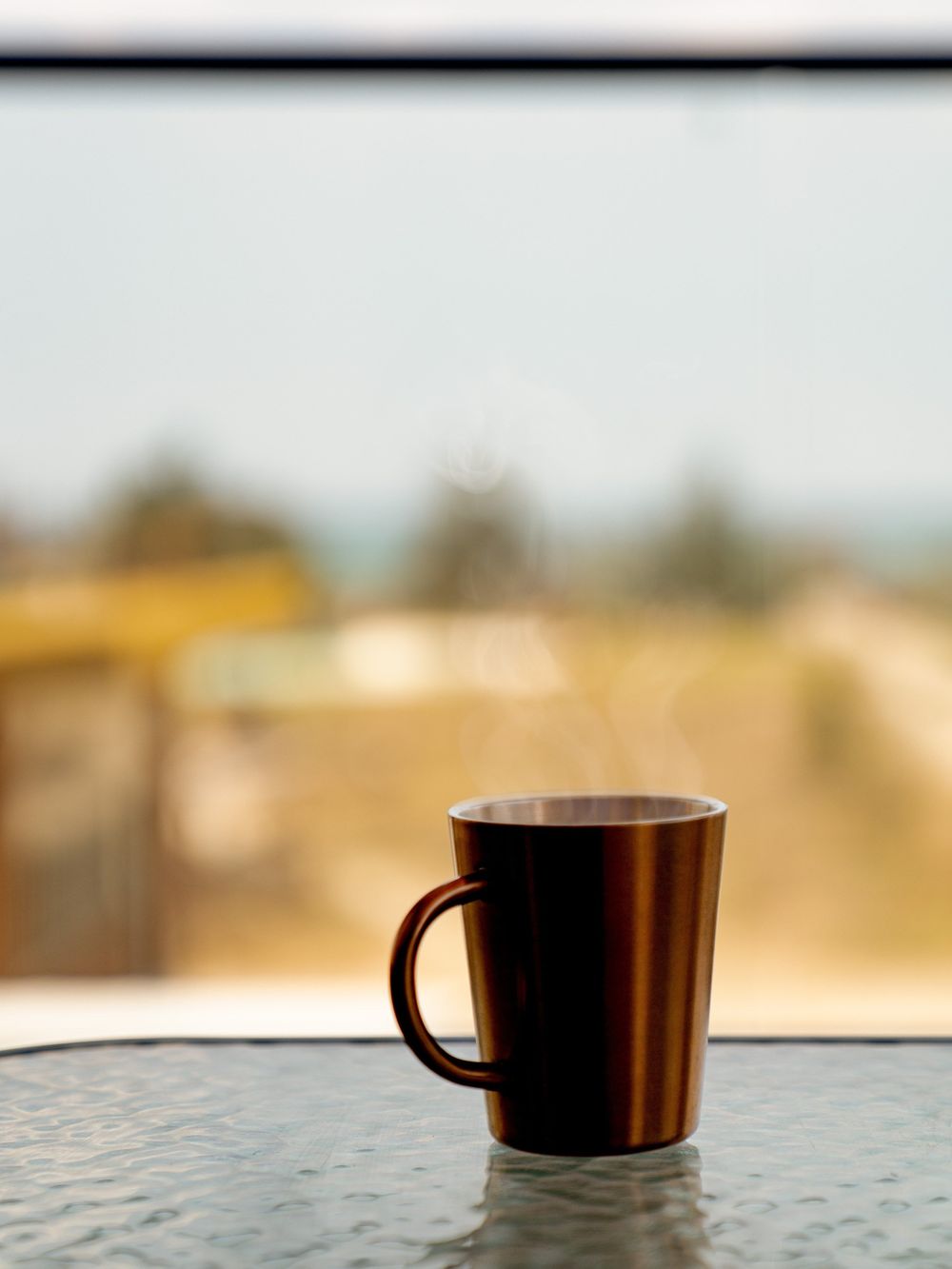
We like being outside, but we also appreciate air-conditioning when it’s hot, a proper shower after a day at the beach, clean bathrooms, comfortable beds and a pool without the usual overpowering smell of chlorine.
We wanted the place to feel connected to its surroundings without making guests work too hard to enjoy them.
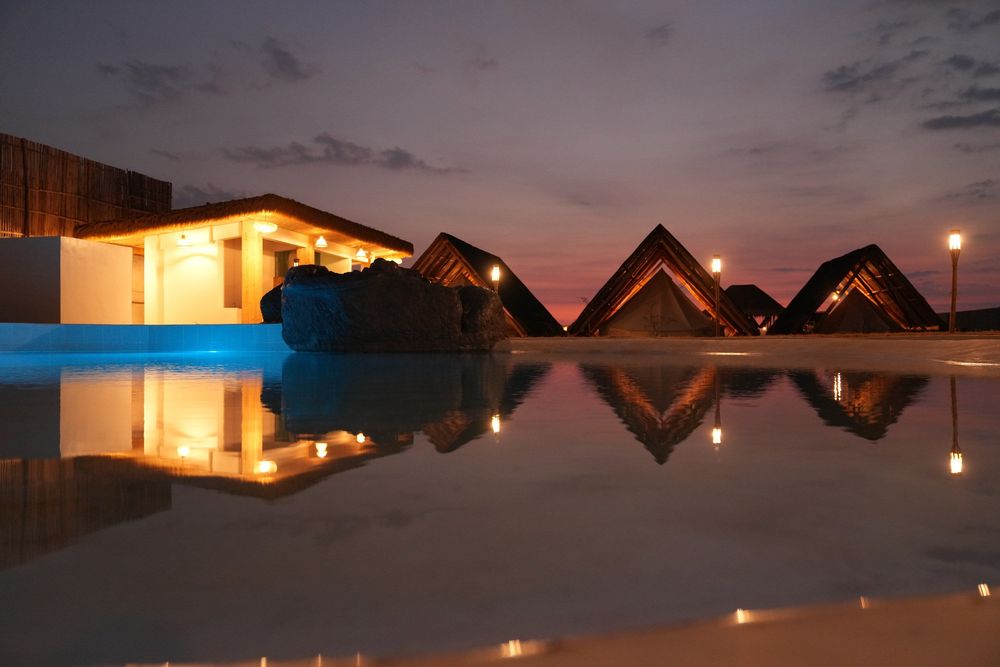
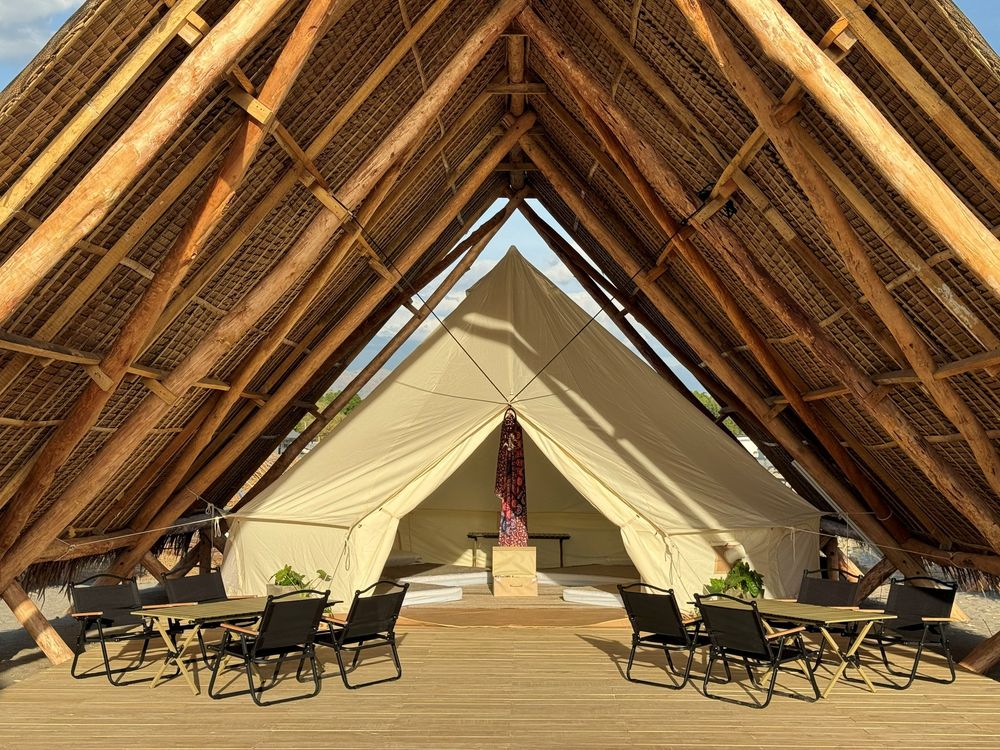
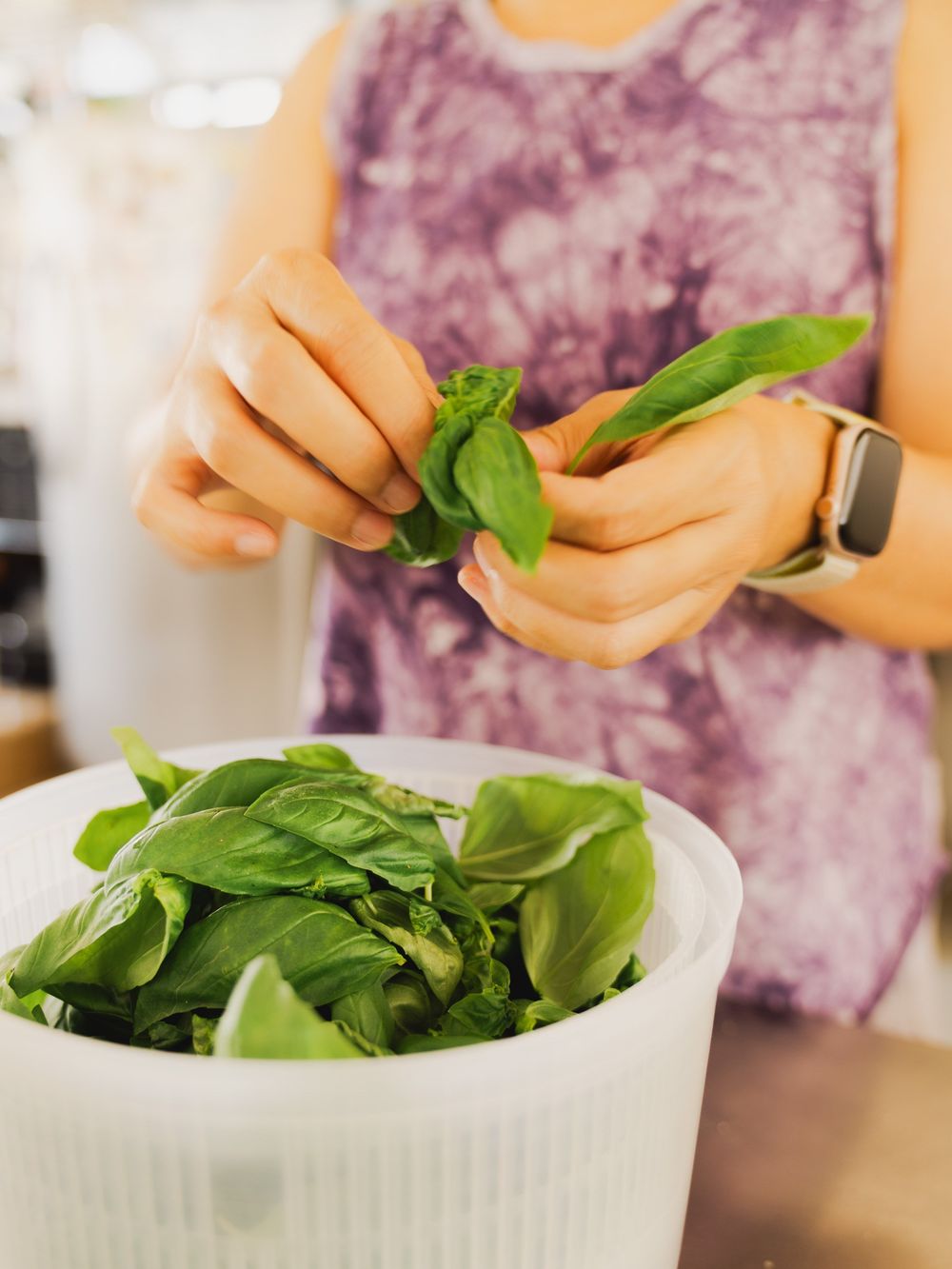
That thinking also influenced how we approached the property. We didn’t want to manicure every corner or turn the beachfront into a collection of decorative landscaping. We’d rather grow things we can eat, make use of the shade, compost what we can, and let the place develop naturally.
It’s a work in progress, and probably always will be.
There’s always something to build
One unexpected thing about Get Lost is how much it has become a playground for ideas.
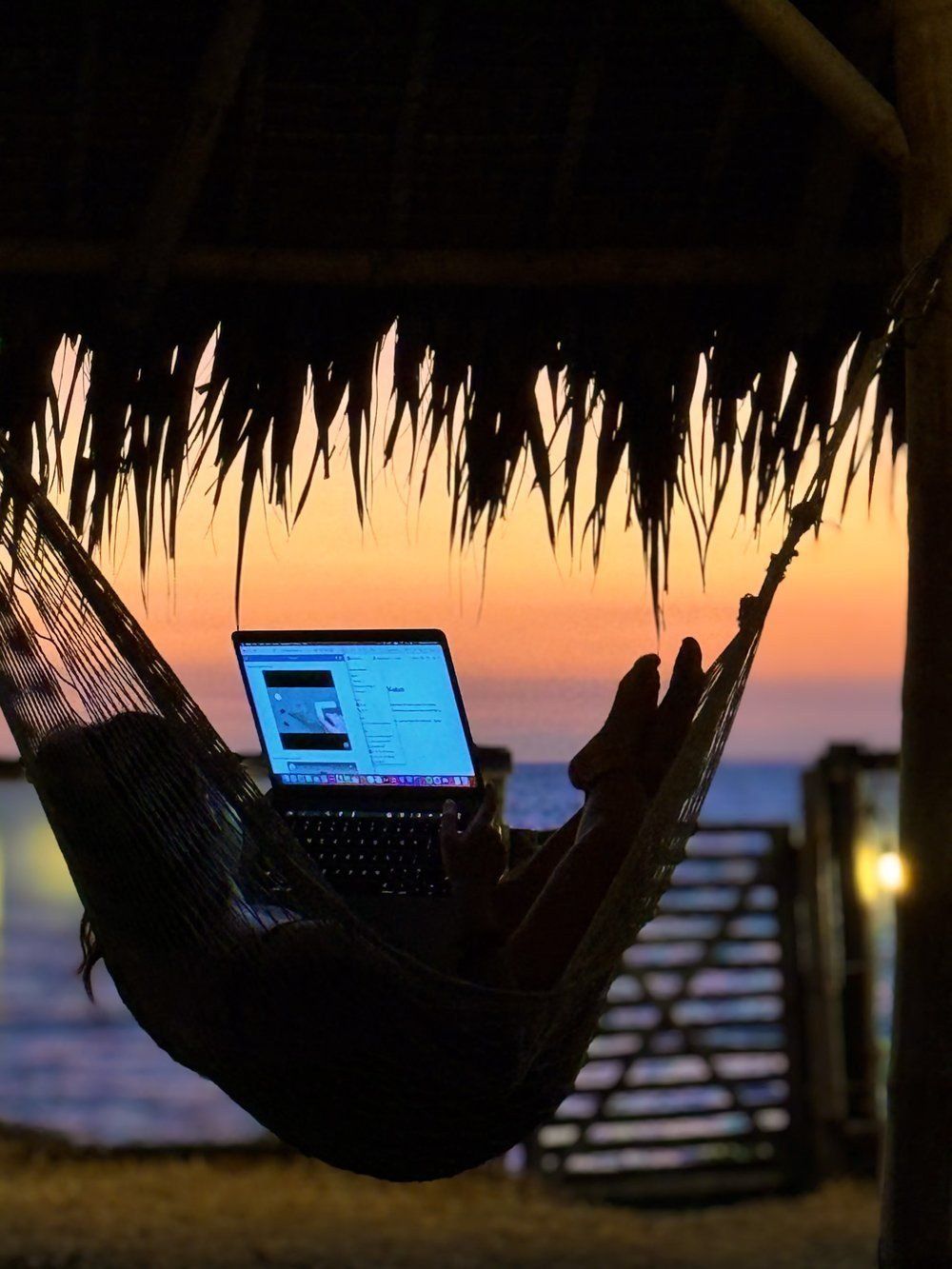
I’ve spent years working with technology, software, production and automation. Having an actual property to experiment with has been an interesting change from building things for a screen.
We’ve put together our own solar and battery system, built a booking platform, connected the property’s operations to Home Assistant, and developed a local network and automation setup. Some of these started as practical solutions to problems we had. Others came from wondering whether something could be done better.
Running a real property is a good way to find out whether an idea actually works. It’s one thing to make an automation behave perfectly in a test environment. It’s another when a guest is waiting for the water pump to work.
Not every experiment goes according to plan. Some become permanent fixtures. Others remind us why we should probably think things through before buying more equipment.
But that’s part of what keeps the project interesting.
So, why Zambales?
I suppose the simplest answer is that we wanted a different way to spend our time.
Not a complete change of identity, not an attempt to leave everything behind, and certainly not a rejection of city life. We just wanted more access to the things we were missing: open spaces, the sea, outdoor living, good food and a little more room to breathe.
Get Lost became our way of making that happen.
It’s a place we’ve built around the things we enjoy, and a place we’re happy to share with other people who enjoy them too. We still have plenty of ideas, a few unfinished projects, and an occasional tendency to turn a simple weekend improvement into a much larger undertaking.
But that’s how we got here.
And if we’re going to spend our time building things anyway, we might as well build them somewhere we enjoy being.