The cost of staying true to what we believe in
- Date
- Format
- Article
- Topics
- Hospitality, Business, Sustainability
- Project
- Get Lost Resort
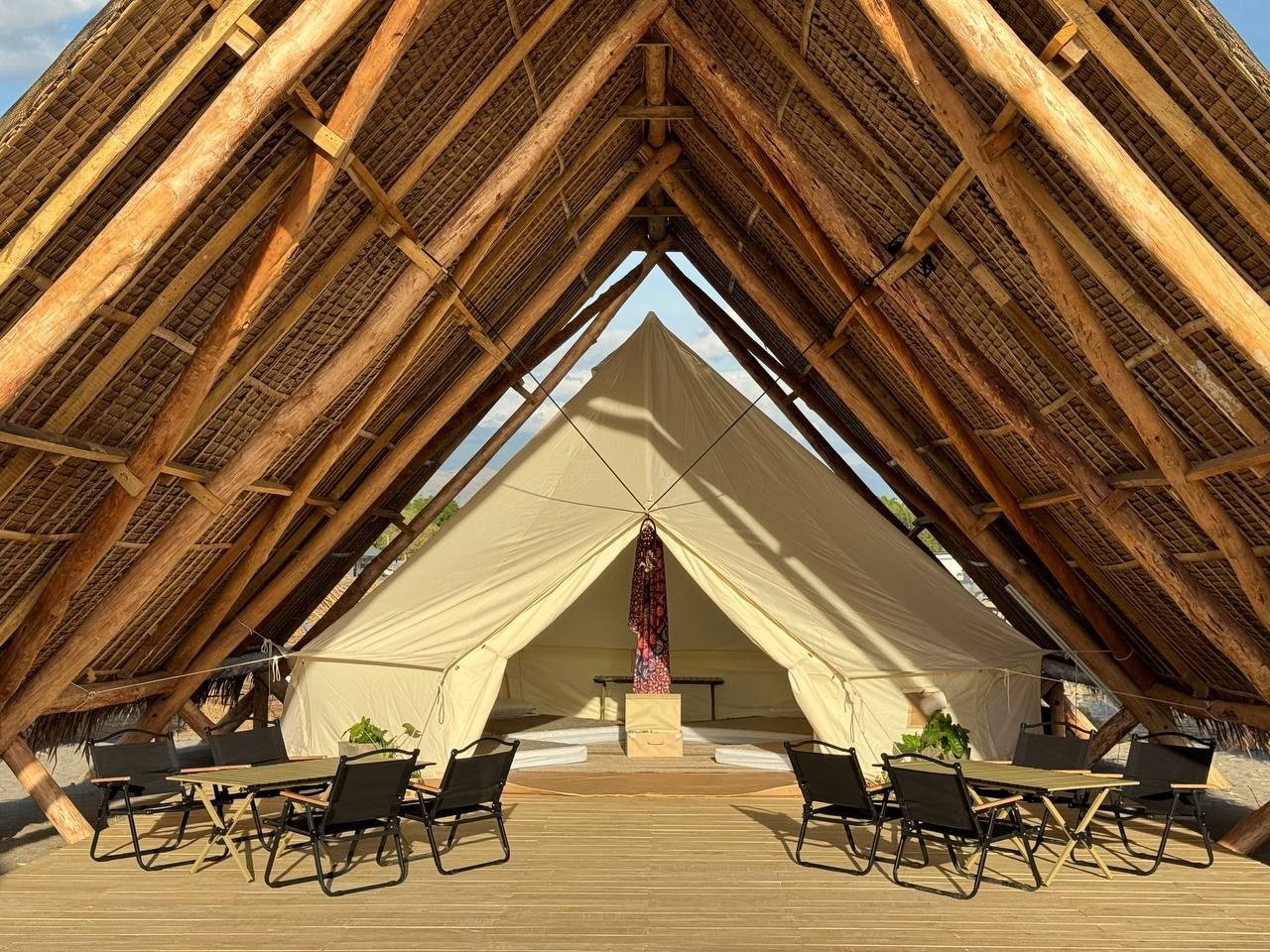
Running a small resort is an exercise in compromise—some days more than others. There’s a side of operating Get Lost that doesn’t make it into the photos: the monthly electricity bill, the cost of replacing weathered deck boards, the price of a bag of coffee beans, or the occasional discovery that someone has brought their own refrigerator on a weekend getaway.
Okay, that last one is a bit of a surprise.
These are the realities that come with running a small, independent place. Lately, I’ve found myself thinking through a few decisions that aren’t quite as straightforward as they might seem—not because we’re in trouble, but because the cost of doing things the way we want to do them keeps shifting. At some point, we have to decide how much of that cost we’re willing to absorb.
A little more air conditioning, perhaps?
Let’s start with electricity.
It’s hot in Zambales—really hot—and I completely understand why someone would want to leave the air conditioning running. Nobody goes on vacation to sweat in their room.
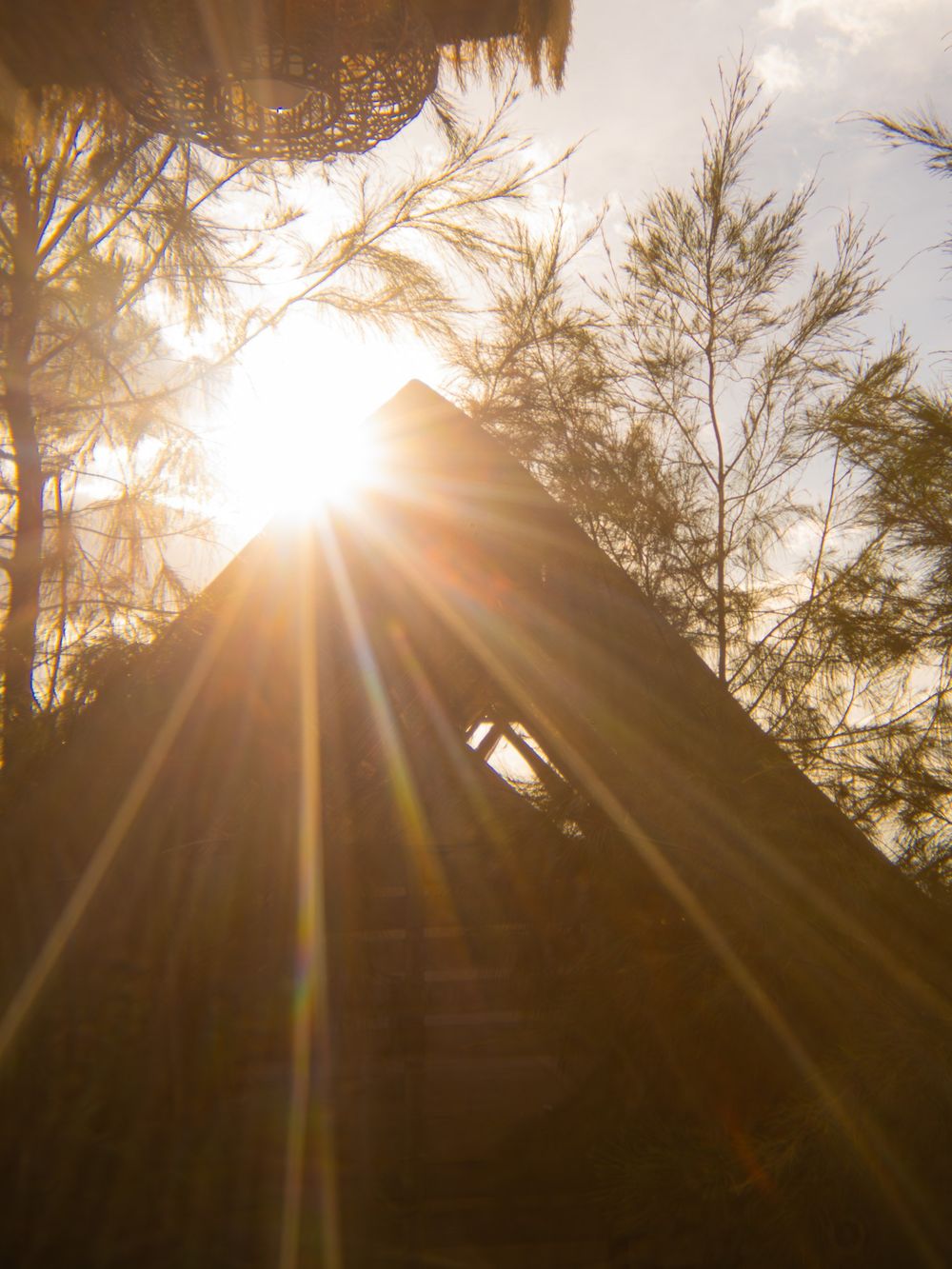
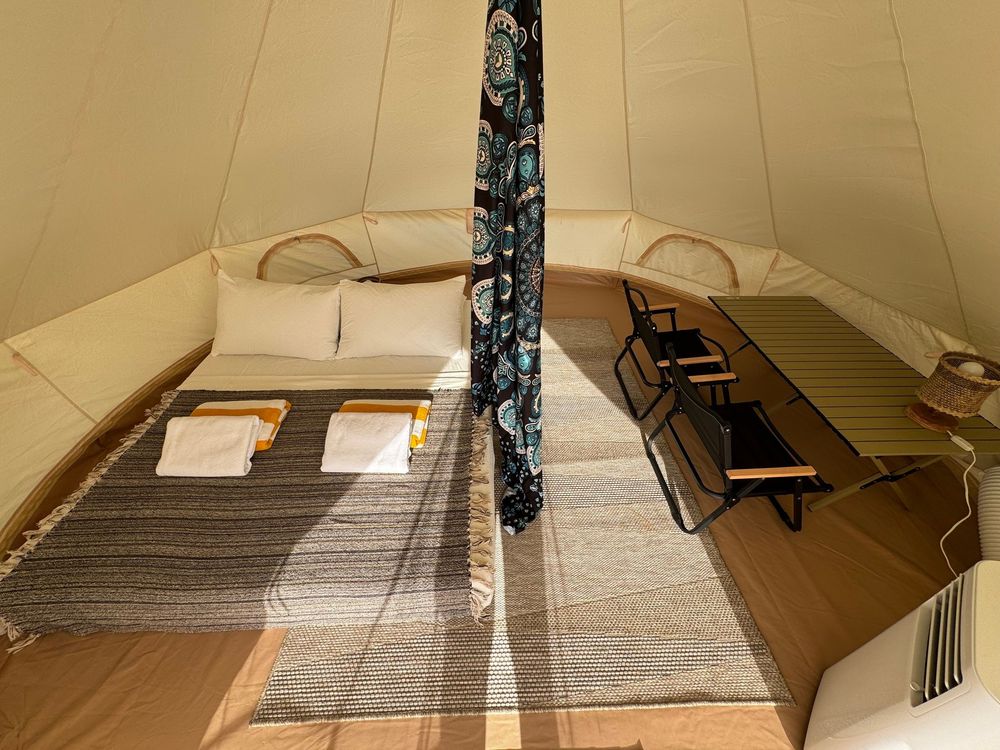
When we set our accommodation rates, we made a conscious decision to keep them as reasonable as possible. We calculate our electricity baseline on roughly 12 hours of air conditioning use per day. That’s a generous allowance, and it works well enough when guests are reasonably mindful of their consumption.
Except electricity rates have climbed, and some guests leave their air conditioning running practically around the clock. Again, I get it. They’ve paid for the room, and as far as they’re concerned, they’re entitled to be comfortable.
Then there are those who bring portable refrigerators and freezers and plug them into the tent outlets. I suppose the next logical step is bringing an air conditioner of their own.
Joking aside, this creates a real operational puzzle:
- Do we raise everyone’s room rates to cover heavier power consumption? That doesn’t feel fair to guests who switch off their air conditioning when they step out.
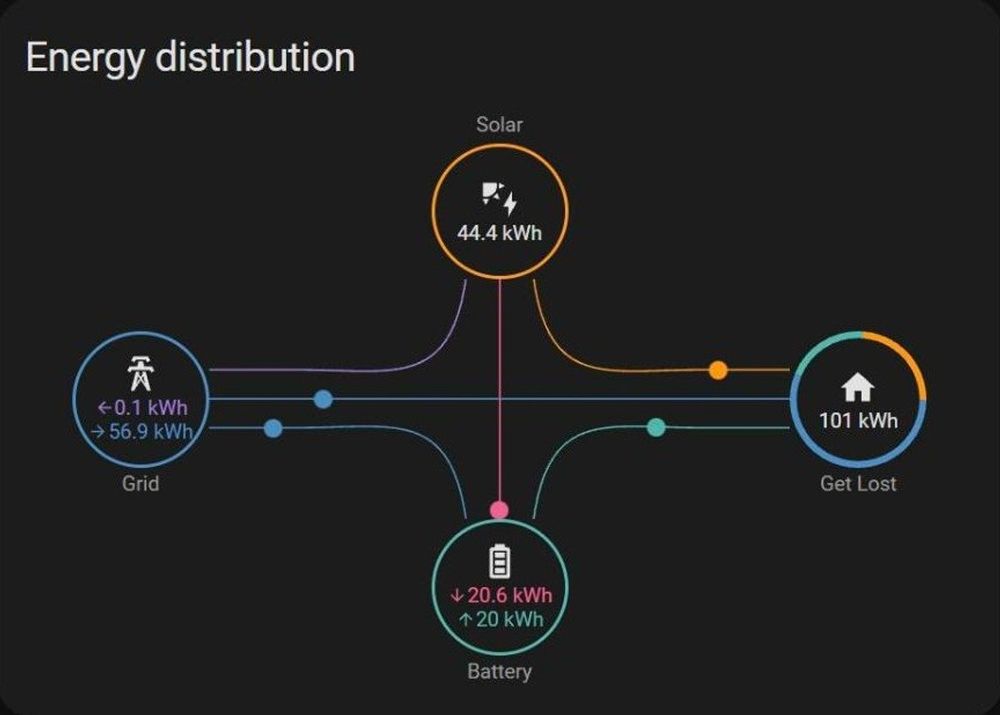
- Do we install individual sub-meters and bill for actual usage? Even though we already track power loads closely behind the scenes, charging per kilowatt-hour adds friction and another thing to explain during check-in.
- Do we collect an electricity deposit and refund whatever goes unused, or settle the difference after checkout?
It’s funny how something as straightforward as keeping a room cool can turn into an accounting exercise. We’re still working this one out.
So much for free coffee
This one actually hurts a little.
We’ve always enjoyed offering complimentary morning coffee. There’s something nice about waking up, pouring a proper cup, and easing into the day without having to think about paying for it. And I happen to take my coffee fairly seriously.
We serve whole-bean Sagada Arabica, medium-roasted and freshly ground for every cup—no instant coffee pretending to be something else, and no mystery powder from a giant plastic jar.
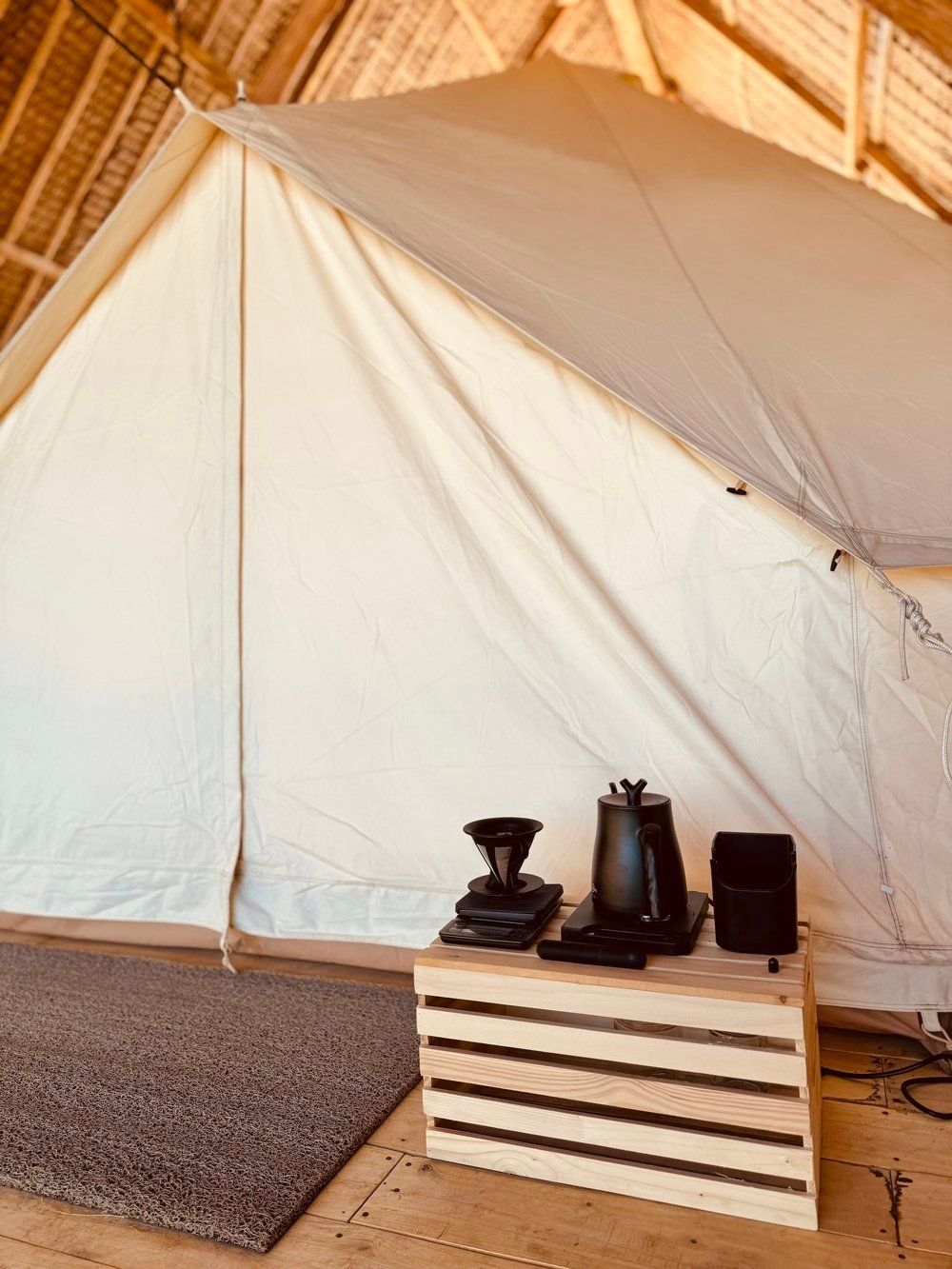
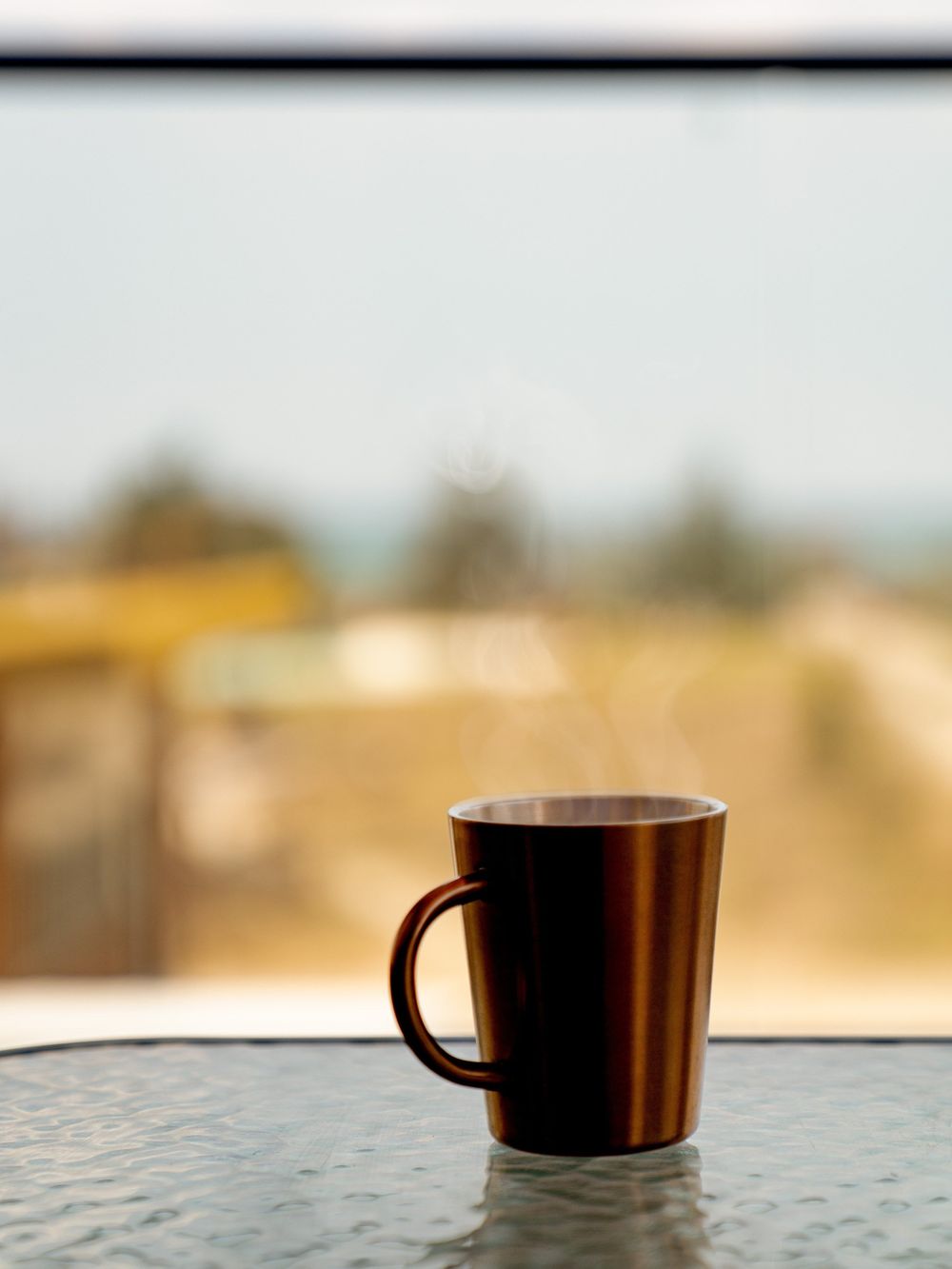
But green and roasted bean prices have kept climbing, and we’ve reached the point where we can no longer comfortably absorb the cost. So, complimentary coffee is gone. A cup now costs ₱100.
I know it’s not the end of the world—it’s a hundred pesos—but I still feel a little uneasy about it. Not because we shouldn’t charge for it, but because I genuinely liked offering something good without putting a price tag on it. Those small touches aren’t necessarily what bring people through the gate, yet they quietly make the stay better.
Unfortunately, coffee beans don’t seem particularly interested in preserving our hospitality philosophy.
Wood, money, and doing things the way we believe they should be done
Then there’s the matter of repairs and maintenance.
One of the commitments we’ve tried to keep at Get Lost is using locally available materials wherever practical. Gmelina wood is a big part of how we’ve built the resort. It grows locally, local craftsmen know how to work with it, and building with it gives us a direct way to support people in the community whenever we construct or repair something. It’s also central to the visual character of the place.
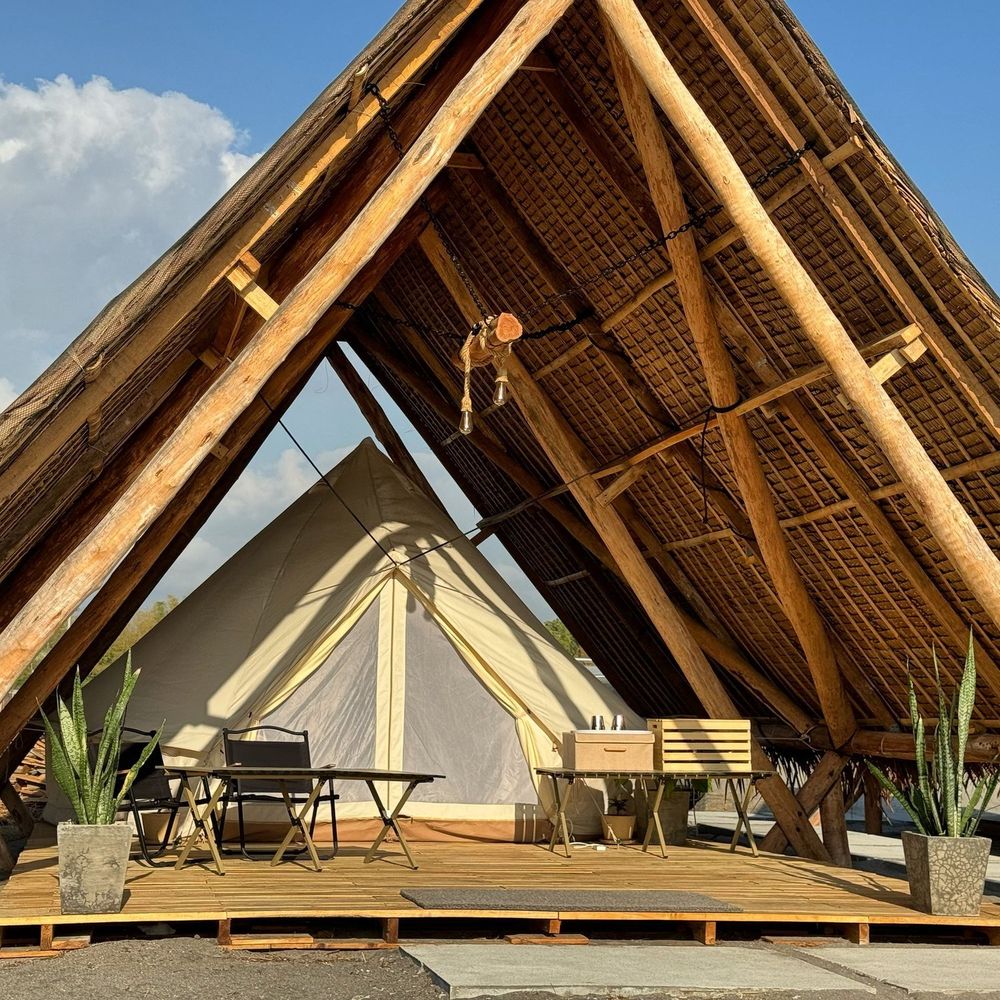

We could switch to cheaper synthetic or imported alternatives that are easier to maintain and replace. Plenty of properties do. But that misses the point—we wanted to build something rooted in its surroundings rather than assemble a collection of materials that could belong to any resort anywhere.
The challenge is that building and maintaining this way keeps getting more expensive. Wood costs more, labor costs more, and routine repairs that used to be relatively modest now take a noticeably larger bite out of already thin margins.
It leaves me asking a practical question: how much should we be willing to pay to stay true to our principles?

I still believe in sourcing local materials, keeping local craftsmen employed, and paying attention to the environmental footprint of what we build. At the same time, there’s little point in insisting on doing everything the ideal way if the business eventually can’t afford to keep operating at all. Perhaps the answer isn’t abandoning those choices, but being more deliberate about where and how we apply them.
It’s a balancing act
When we started Get Lost, we had a clear picture of what we wanted: a place where people could enjoy the outdoors without giving up the comforts of home, built at our own pace and guided by decisions we actually believed in.
We weren’t interested in building another cookie-cutter resort, and we certainly didn’t set out to become experts in kilowatt-hours, coffee procurement, and wood preservation. Yet here we are.
That’s the nature of running a physical business. The romantic idea of building something you believe in eventually meets the unromantic math of paying for it. While we’d love to keep every complimentary extra, absorb every utility spike, and build everything out of our preferred materials, there’s a limit to how much a small operation can carry without passing some of those costs along.
We aren’t interested in turning every detail into an add-on fee, nor do we think artificially suppressing prices at the expense of sustainability makes sense. There’s a workable middle ground somewhere in between, and we’re still dialing it in.
In the meantime, we’ll keep improving the place, supporting local suppliers and craftsmen where we can, and refining how the systems run behind the scenes without making the numbers miserable.
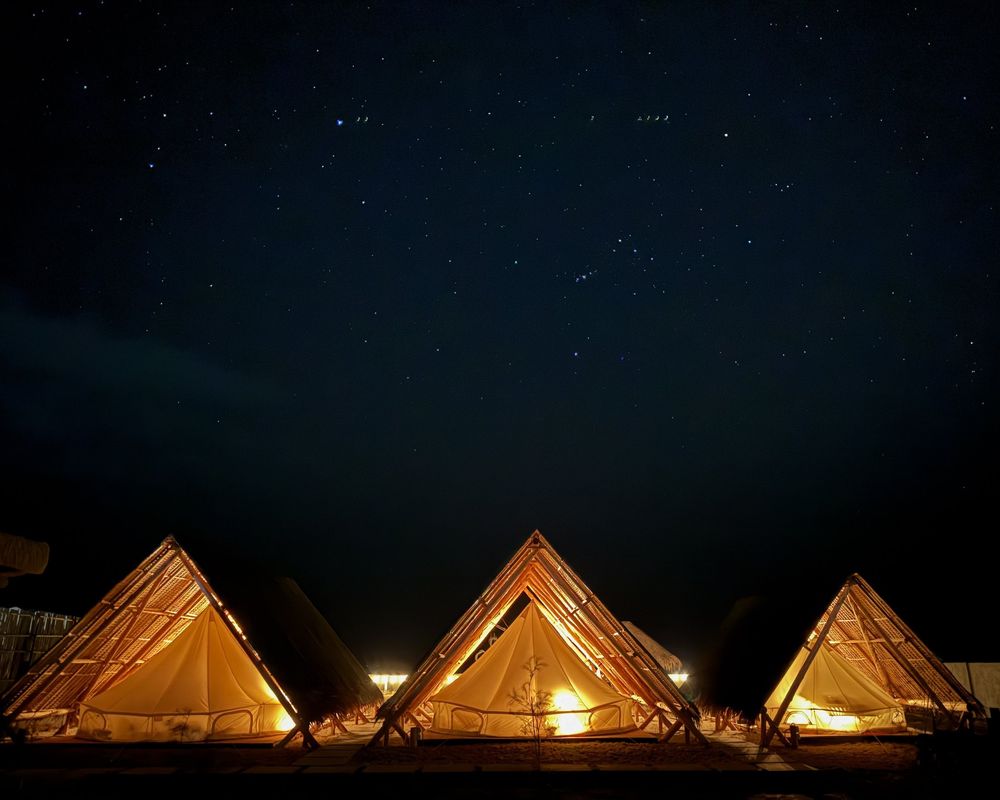
And yes, we’ll still have really good coffee. You’ll just have to pay for it now.
Some things, apparently, are worth the extra hundred pesos.