Live streaming and podcasting: before it became the norm
- Date
- Format
- Article
- Topics
- Technology
- Project
- New Media Factory
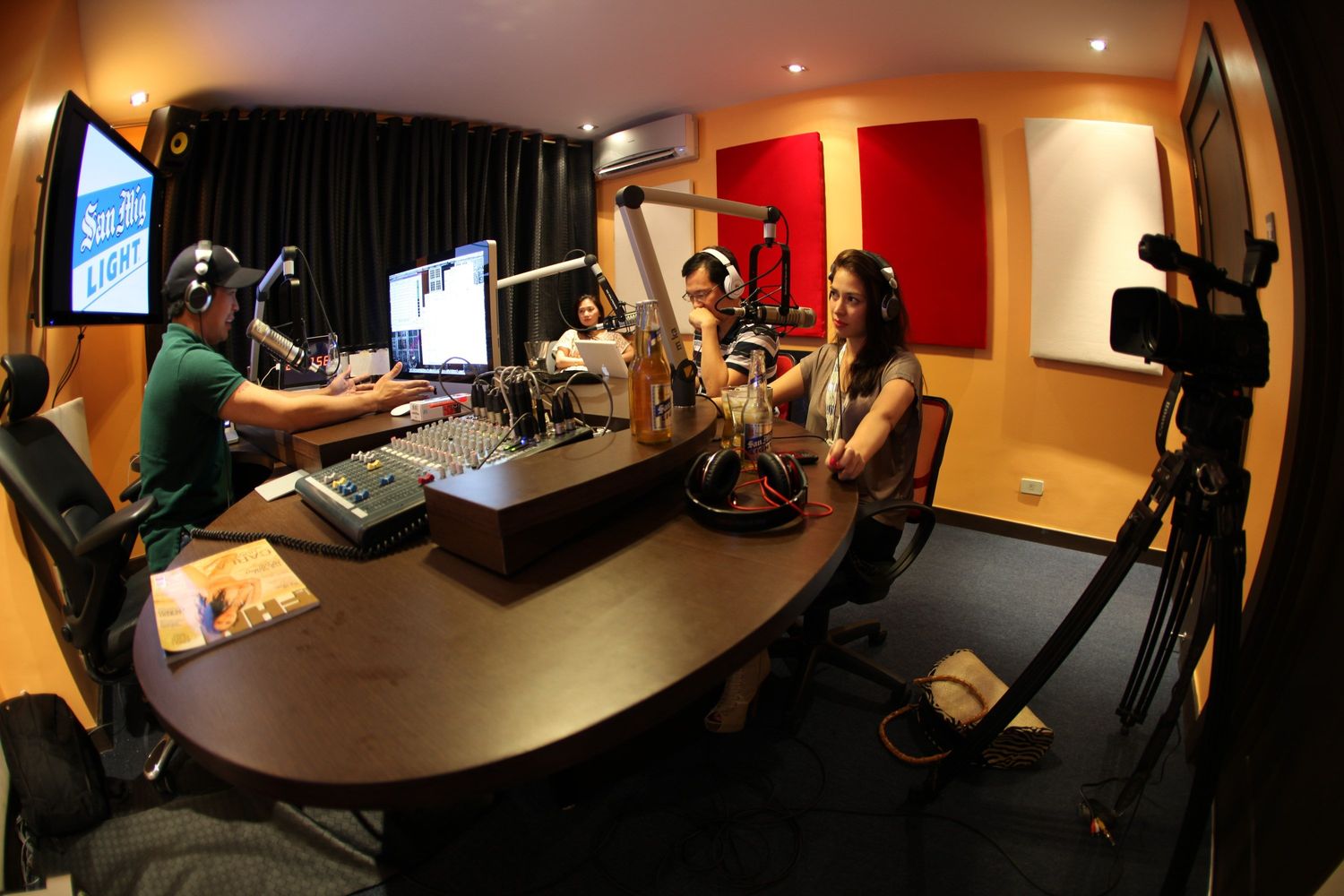
I’ve spent a fair amount of time working behind the scenes of things most people only ever see on a screen.
Back in 2011, I was already involved in live streaming and podcasting, at a time when neither was quite the everyday thing it is now. There were no convenient platforms that did everything for you. If you wanted to put a show online, you had to figure out the cameras, audio, switching, encoding, streaming, hosting and all the other little things that could go wrong between pressing record and getting something in front of an audience.
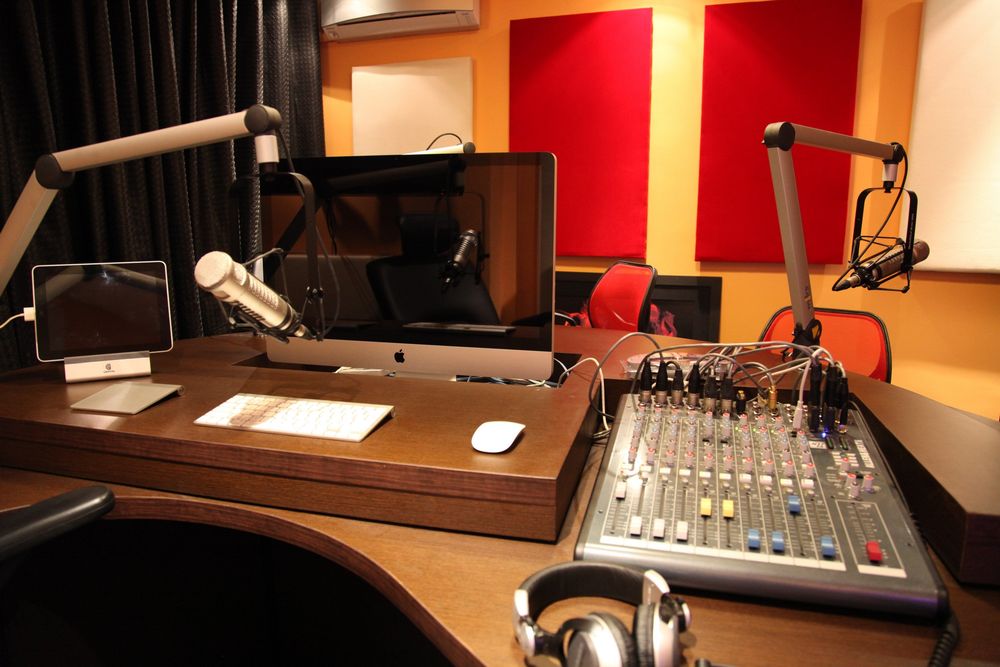
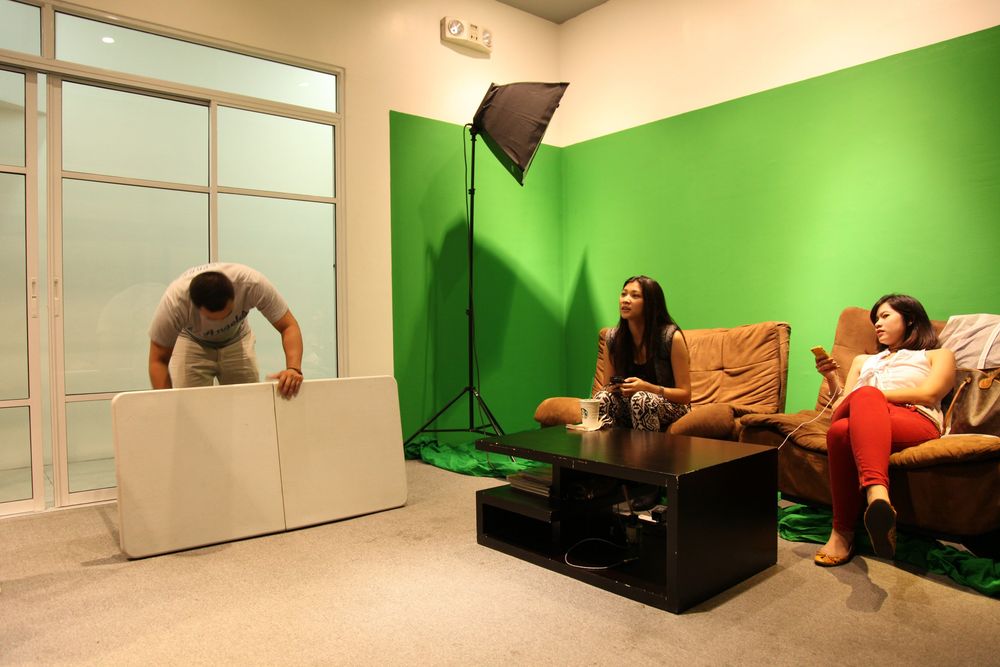
One of the bigger chapters of that work was with New Media Factory (NMF / NMFtv). What started as a digital media operation grew into a network of original shows and artist channels covering just about everything: talk, comedy, sports, technology, gaming, lifestyle, music, food and business.
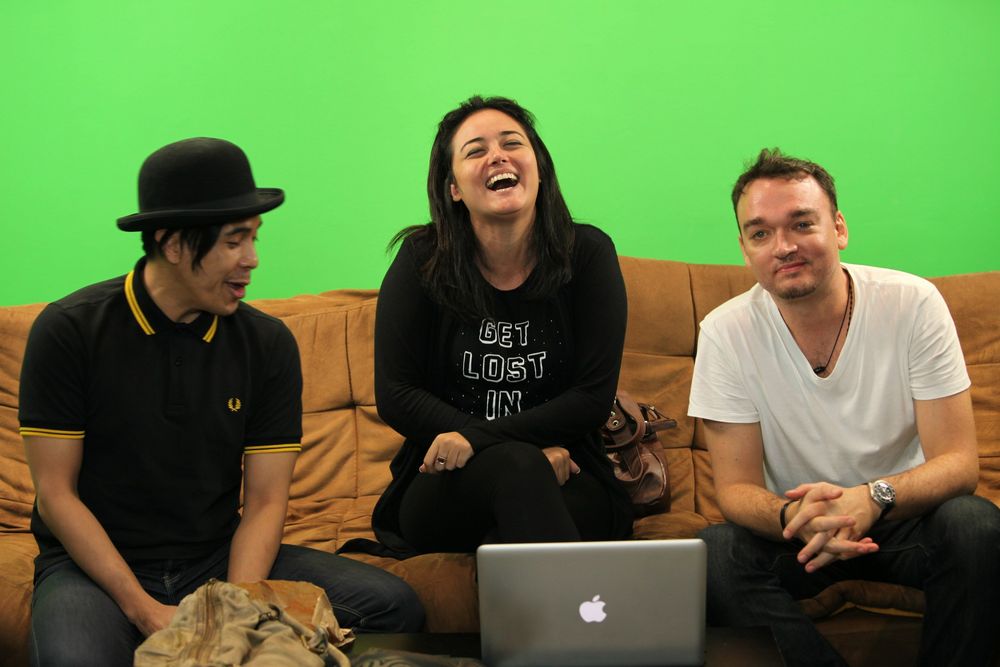
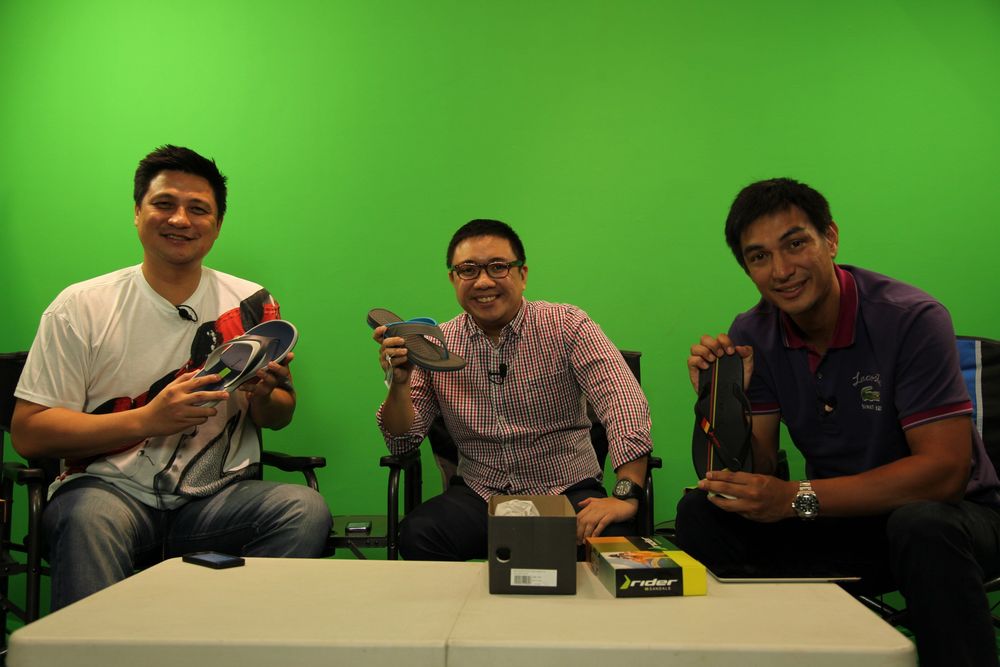
The scale was considerable. The archive now documents 49 original shows and artist channels, with more than 1,100 catalogued episodes. Among them was Good Times with Mo: The Podcast, which launched on January 11, 2011. It eventually became one of the network's flagship shows, with hundreds of episodes.
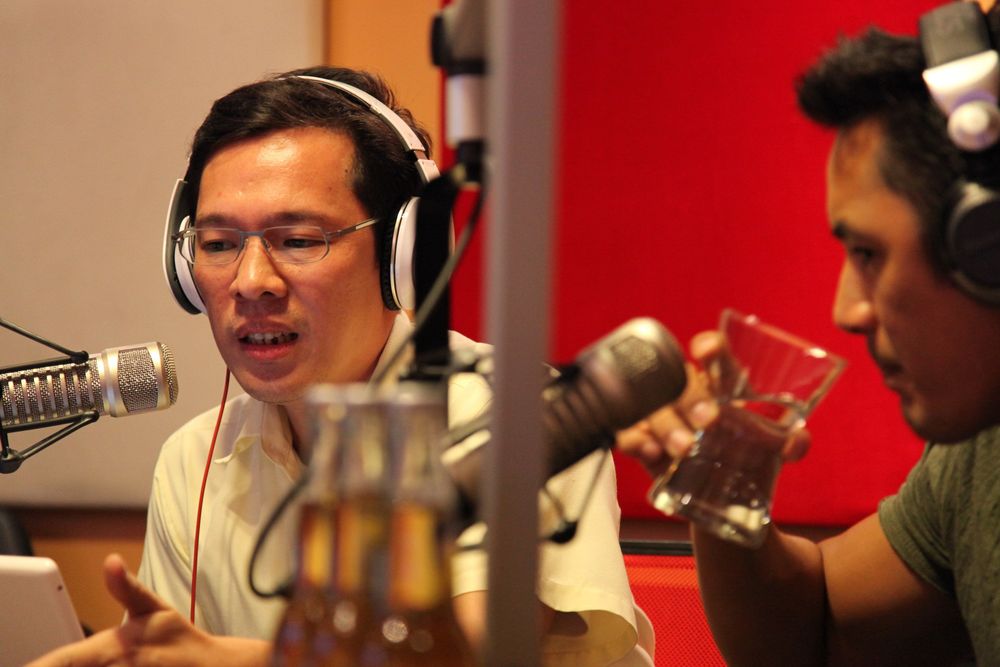
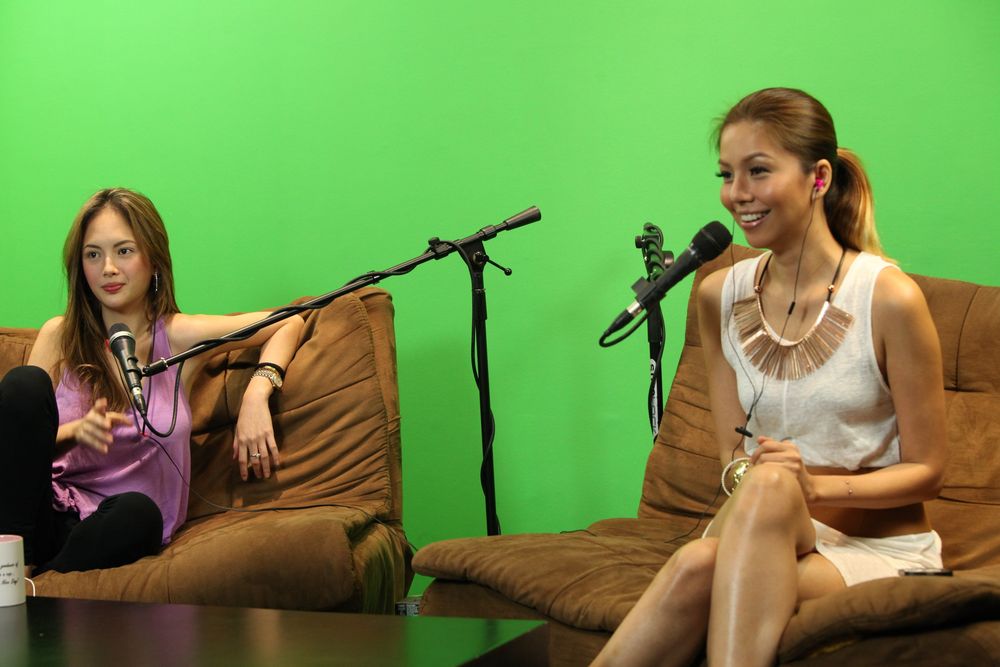
I also got in front of the microphone occasionally. First with PutoTech Show, an irreverent take on technology, smartphones, gaming and internet culture. That was followed by PHTech Show, which took a broader look at consumer technology and the culture around it from a Filipino perspective. Most of my work, though, was on the other side of the camera.
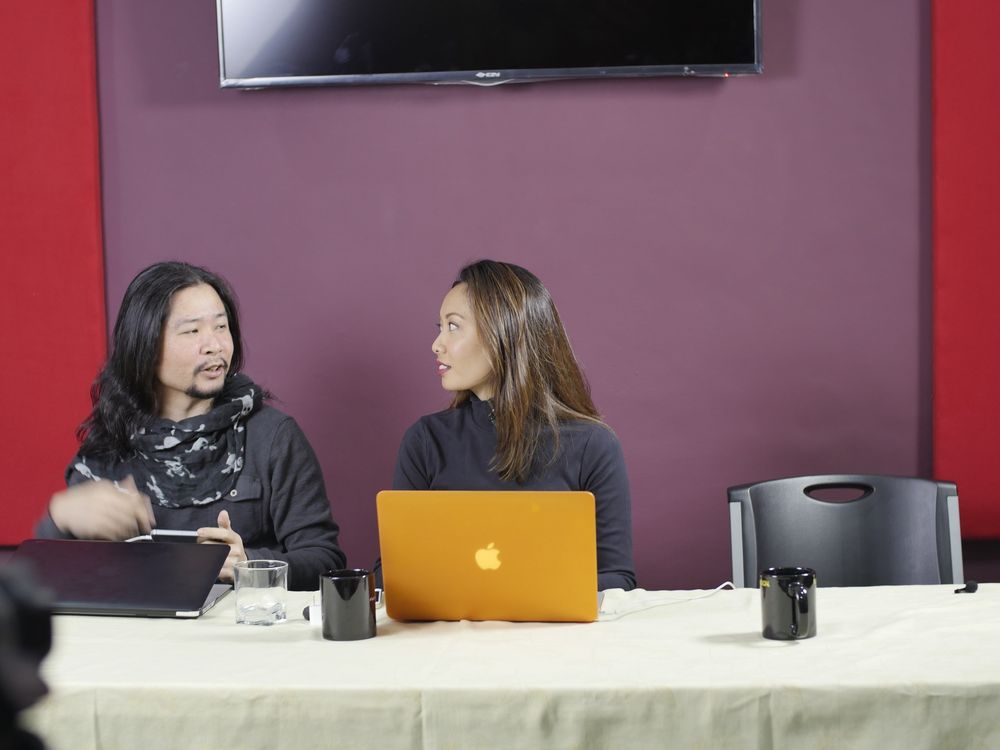
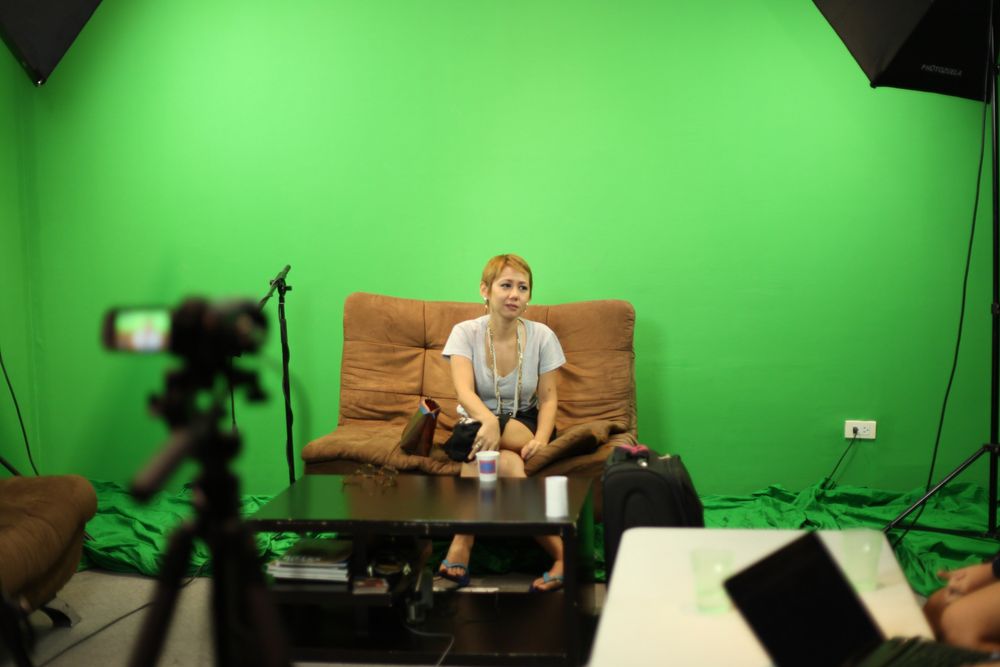
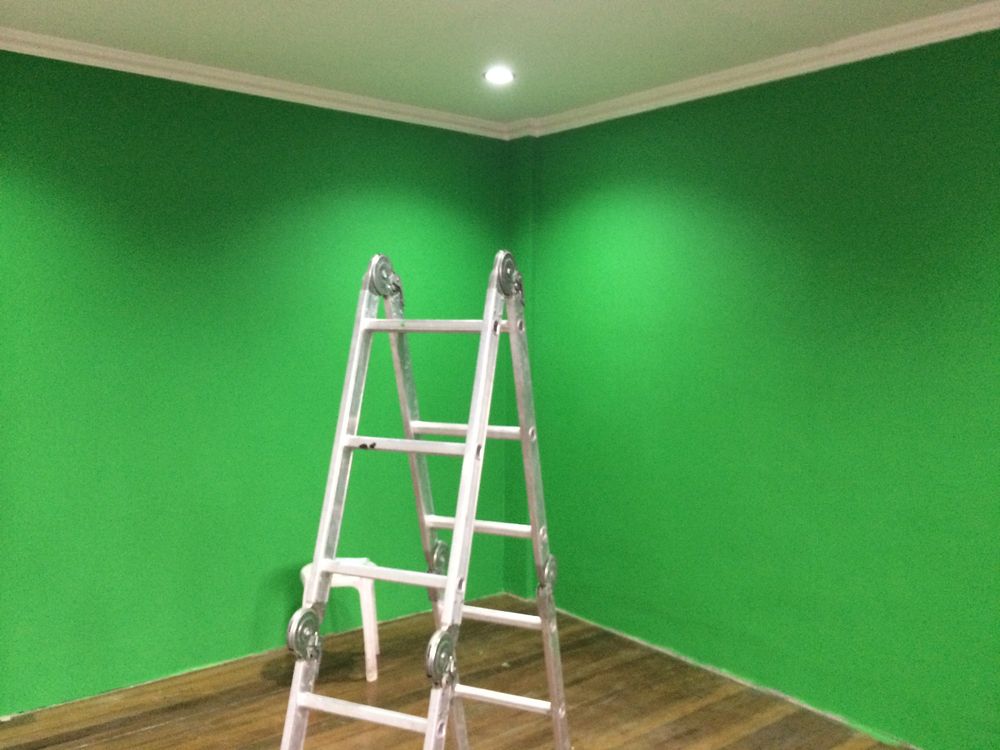
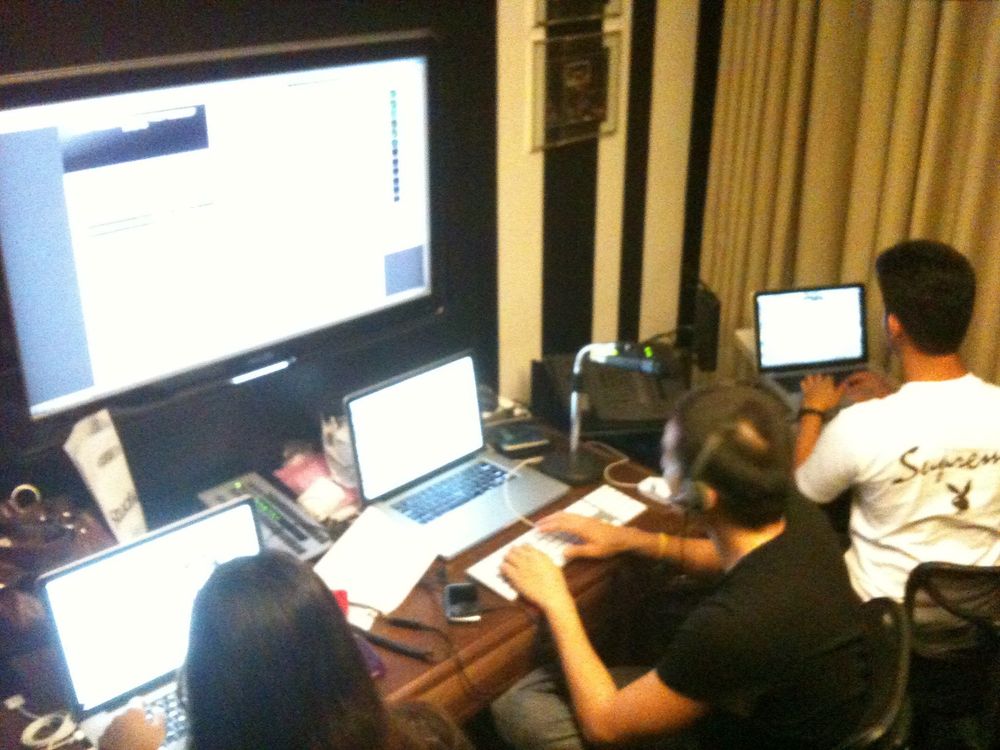
The operation wasn't just about making podcasts. We built the infrastructure to produce and broadcast live events, with multi-camera switching and live-switched recordings for product launches, conferences, seminars and sporting events. We also produced branded web video, both in the studio and on location.
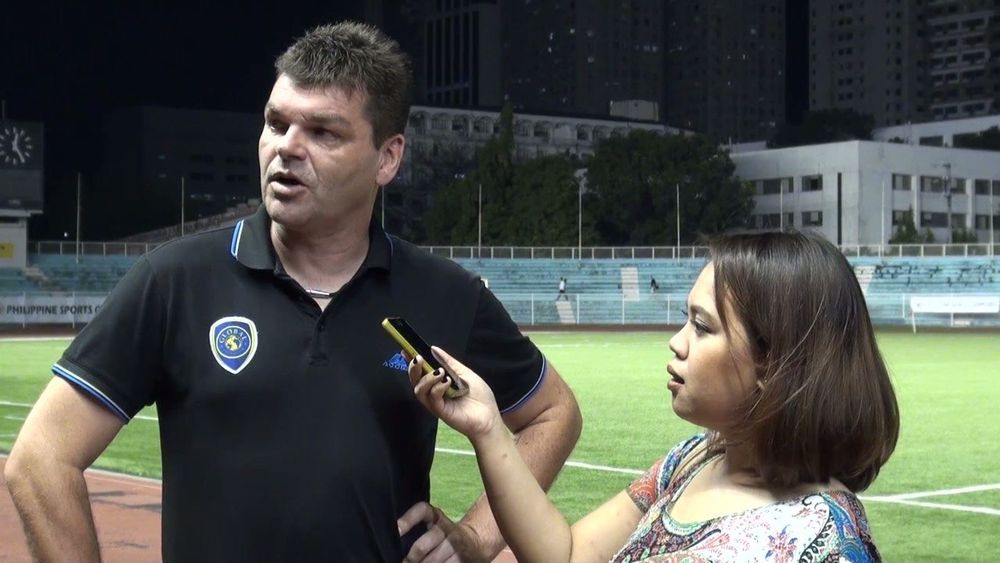
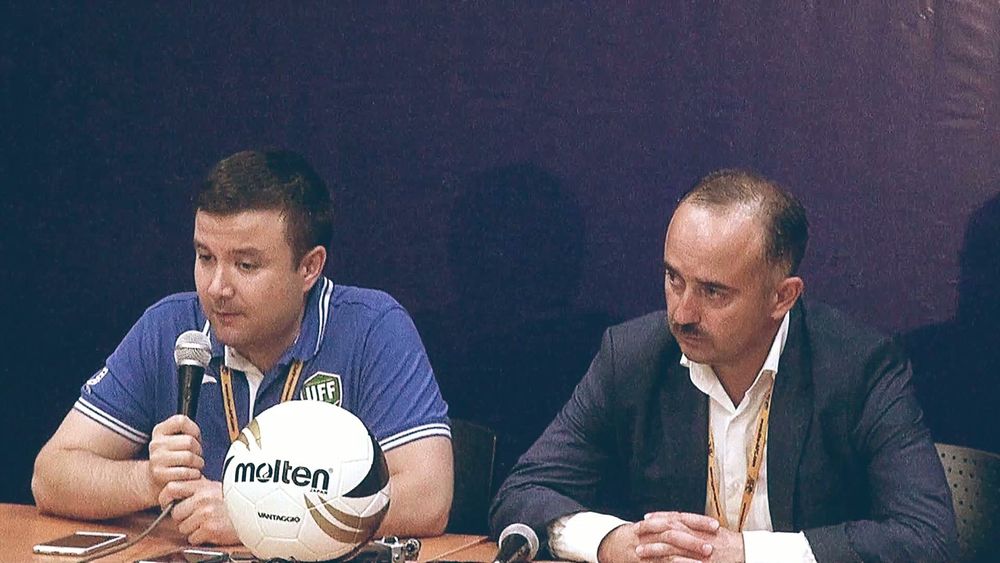
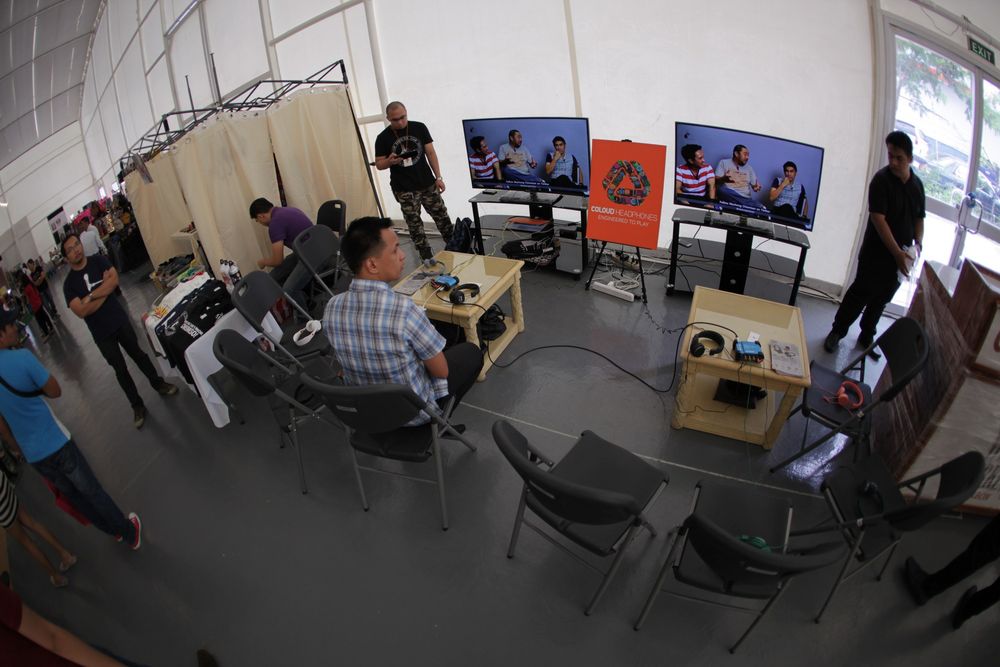
That distinction matters. Making a video is one thing. Making a live production work, with several cameras, presenters, guests, audio feeds and an audience watching in real time, is an entirely different exercise. There isn’t much room for fixing things in post when there is no post yet.
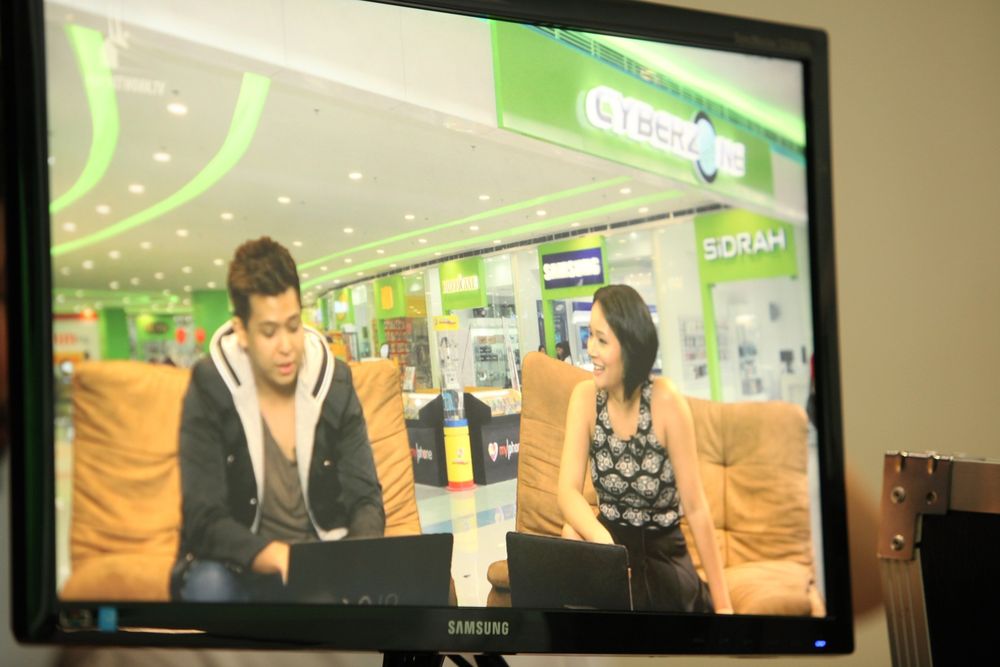
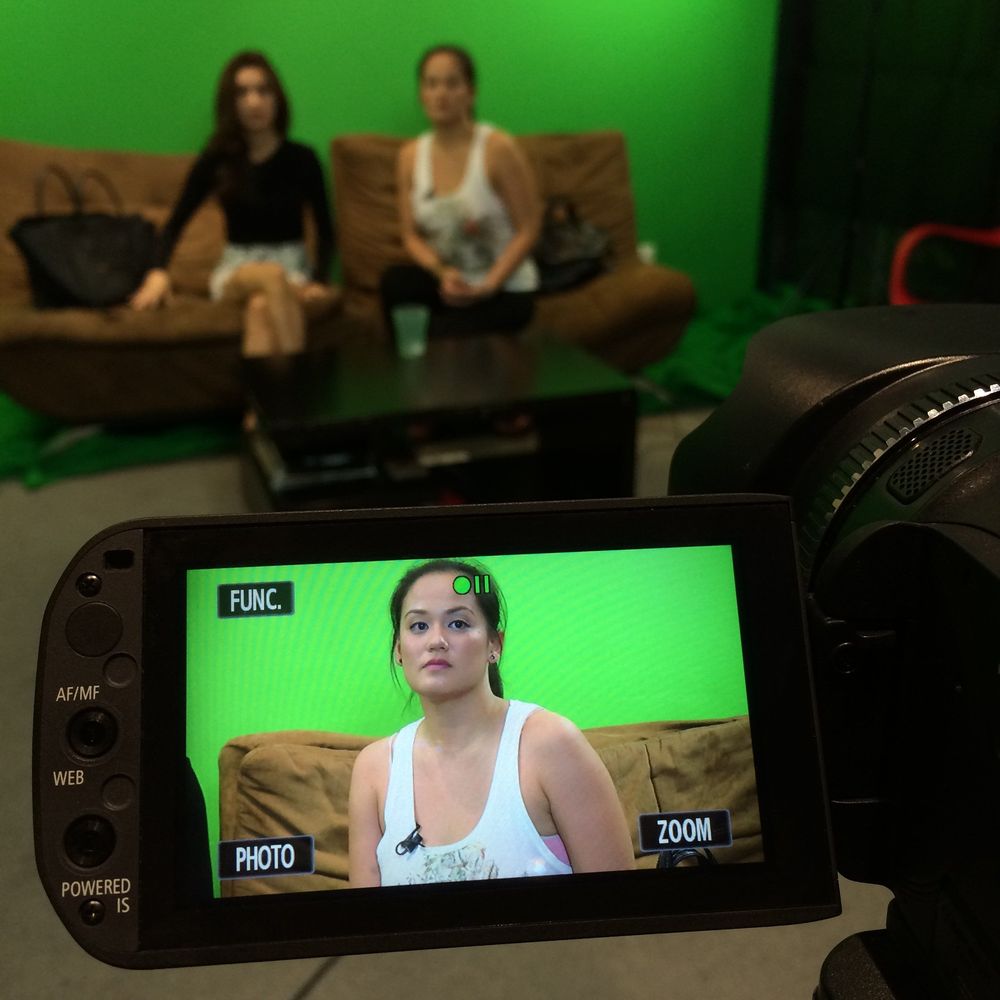
Looking back, that period gave me experience across the entire process: developing a show, figuring out how it should work, putting the technical pieces together, producing the content and getting it out to an audience. It also gave me a front-row seat to the early days of a format that would eventually become a major part of how people consume media.
I don't tend to talk much about this part of my work. I was usually more interested in getting the production running than being the person talking about it afterwards. That's probably why a lot of people who know me through my more recent projects have no idea I've been doing this for years.
But it's an important part of my background, and it's still relevant to what I do today. The platforms have changed. The equipment is smaller, the internet is faster and a lot of the technical barriers have disappeared. The underlying challenge hasn't: making technology, people and content work together to create something worth watching.
I'm still interested in that problem. Whether it's a live production, a podcast, a multi-camera setup or a more ambitious digital project, I enjoy working out how all the pieces fit together.